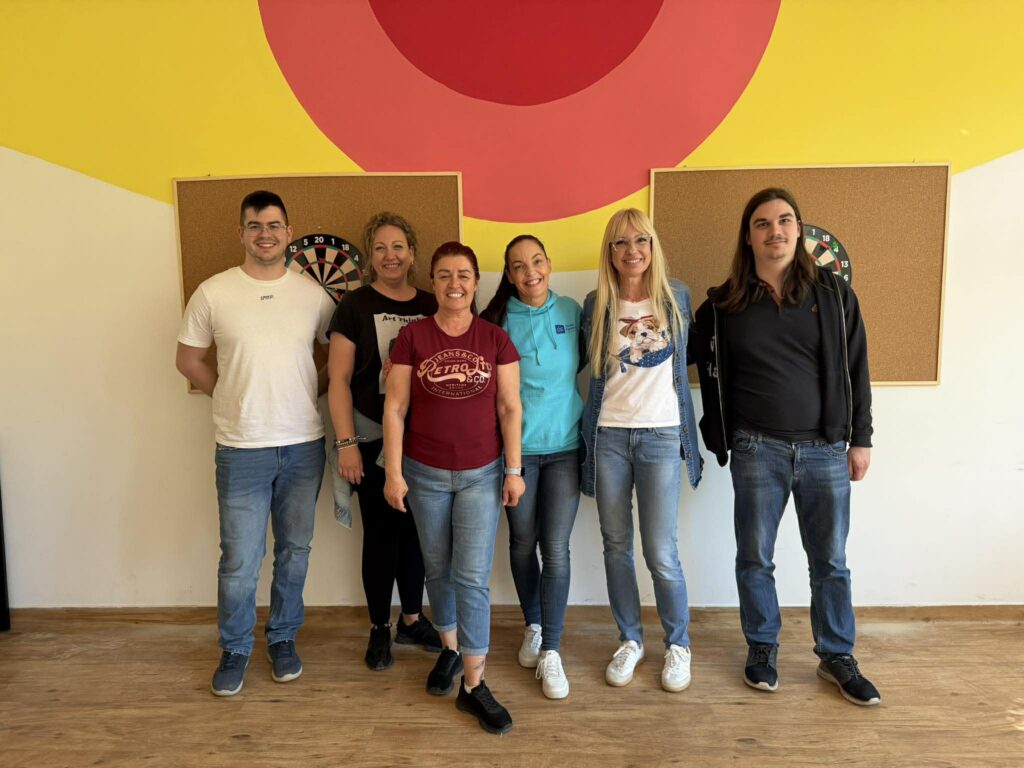
Students from Obuda University organized a special experience day at the Sárkeresztúr Primary School as part of the “Teach for Hungary” mentorship program. The initiative aimed to inspire young students through personal connections, community experiences, and real-life examples, showing them the opportunities that education and future planning can create.
Since its launch in 2018, the “Teach for Hungary” program has built bridges between university students and children living in smaller rural communities. The initiative is based on a simple yet transformative idea: helping young people discover opportunities beyond the limits of their immediate environment, whether through further education, vocational training, or future careers.
During the event, mentor students from Obuda University participated in group activities, skill-development games, and informal discussions together with the children of Sárkeresztúr. The mentors provide more than academic support- they also serve as role models for students in grades 6–8, helping them strengthen self-confidence, explore career paths, and build a broader vision for their future.
The program has a measurable social impact. Research shows that students participating in peer mentoring programs can improve their academic performance by 15–20 percent, while school absenteeism and dropout risks are significantly reduced. The long-term goal of the initiative is to ensure that by 2030 every child currently attending primary school will either continue their education or obtain a professional qualification.
Obuda University actively contributes to the preparation and training of mentors as well. University students complete specialized courses to develop the skills required for mentorship, while their work creates direct social value and strengthens educational inclusion.
The event in Sárkeresztúr demonstrated once again that building a sustainable future is not only about technological innovation, but also about investing in people, communities, and the opportunities of future generations.