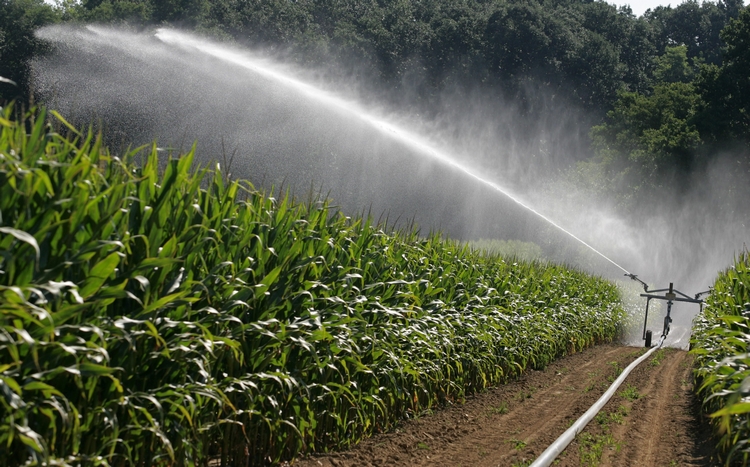
One of today’s most pressing challenges is addressing drought and water scarcity. At the same time, the rapid advancement of digital technologies is fundamentally transforming modern agriculture, as next-generation innovations play a crucial role in enabling more efficient and sustainable farming practices. Precise soil moisture monitoring and data-driven irrigation systems not only reduce water consumption, but also increase crop yields while protecting environmental resources. This is exactly the goal of the project developed by Simon Márton, a student of the John von Neumann Faculty of Informatics, whose work received the professional special award at the K&H STEM competition.
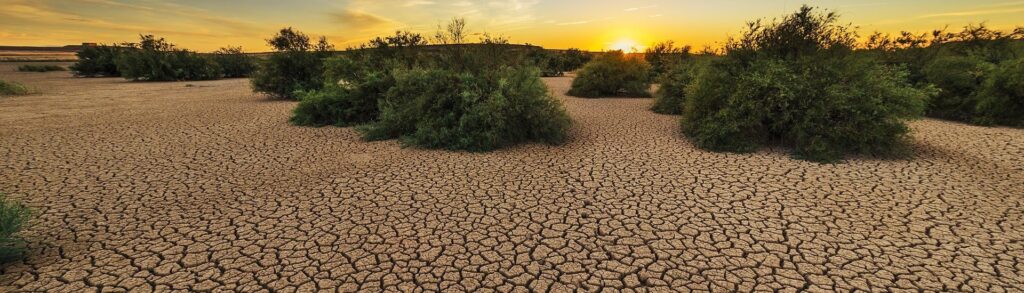
The young researcher’s development combines sensor-based measurements with satellite data, and the positive impact of the technology extends far beyond agriculture. More conscious water management affects everyday life as well, since reducing waste helps preserve natural resources, while precisely calculated irrigation contributes to food security. Through these data-driven systems, agriculture can better adapt to extreme weather conditions, ensuring long-term sustainability.
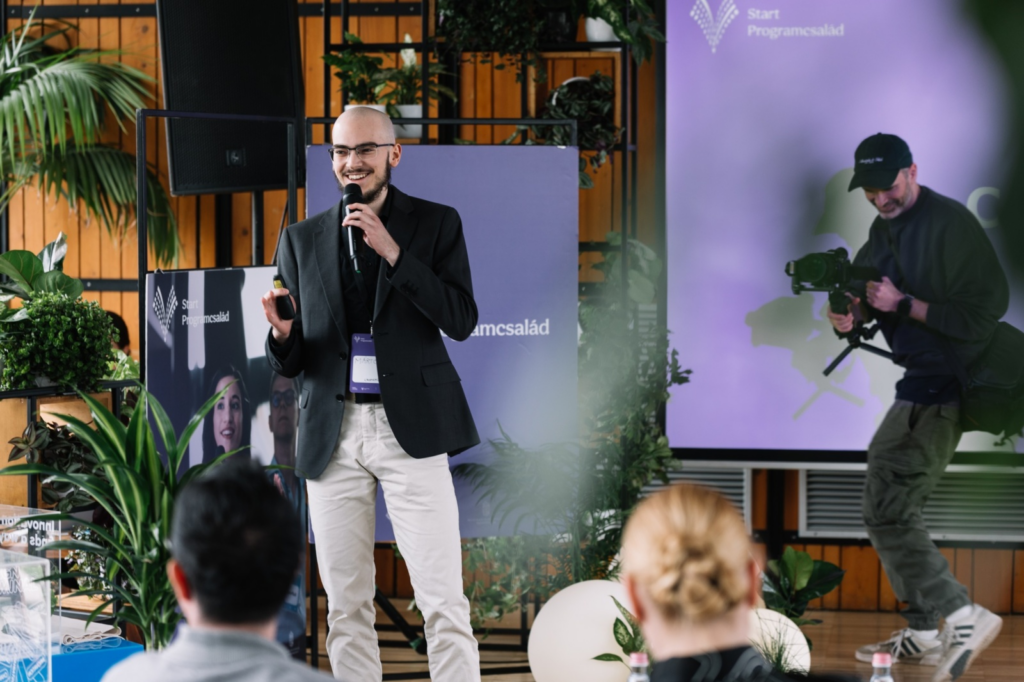
The award-winning university student’s project is based on the integration of a hardware sensor unit and a software platform. The device regularly measures soil moisture levels, while the collected data is displayed on an online interface and complemented with satellite observations, such as vegetation health indicators. This allows farmers to gain a detailed and accurate overview of the current condition of their land, providing a reliable basis for irrigation decisions.
One of the system’s greatest advantages lies in its unique network architecture. Instead of relying on conventional mobile IoT technologies, the sensors use a specialized radio communication solution. As a result, a single central unit can cover an area within a radius of 10–20 kilometers. In practice, this means the network can operate effectively even in remote agricultural regions where there is no mobile coverage at all.
The project is a working prototype of a soil moisture sensor and data platform that provides tangible support for farmers in reducing both operational costs and water consumption, while also making agricultural processes more environmentally friendly.