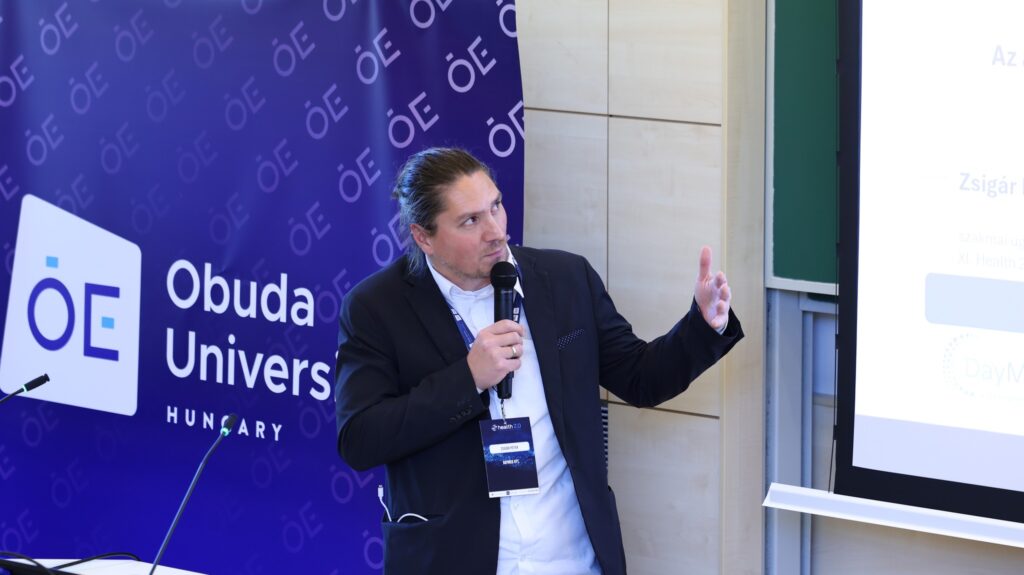
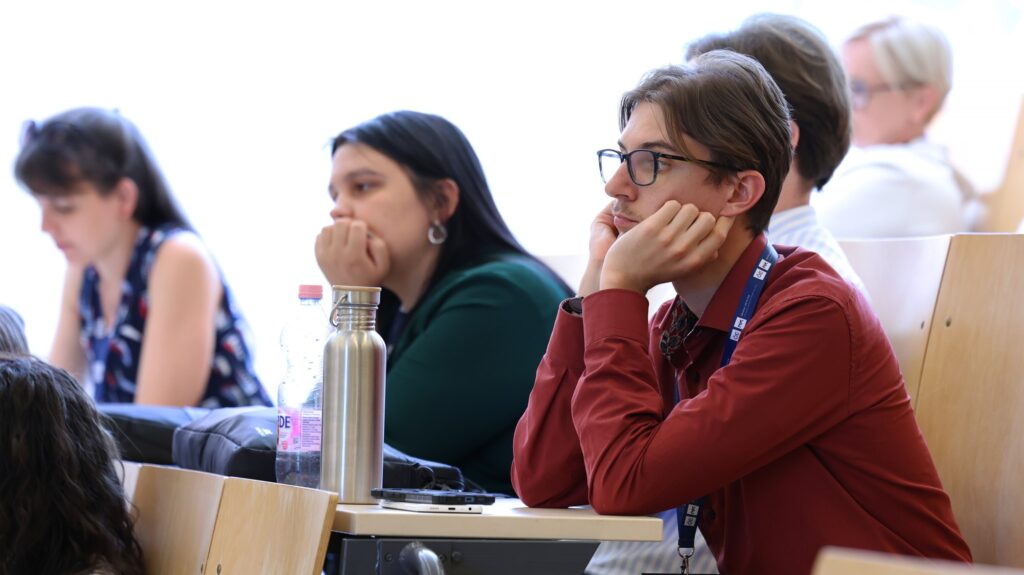
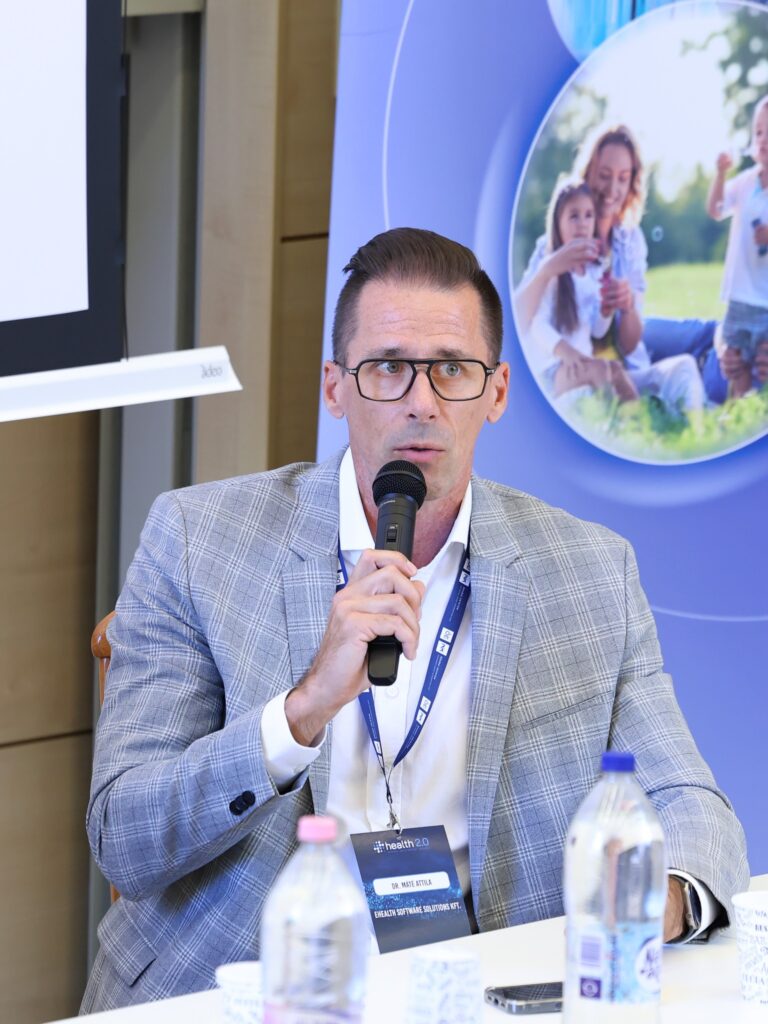
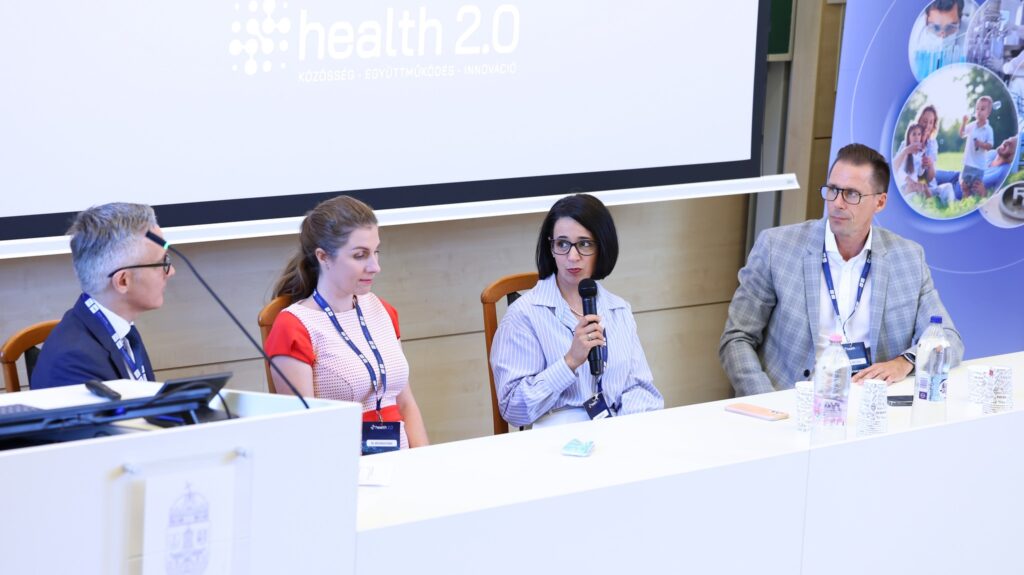
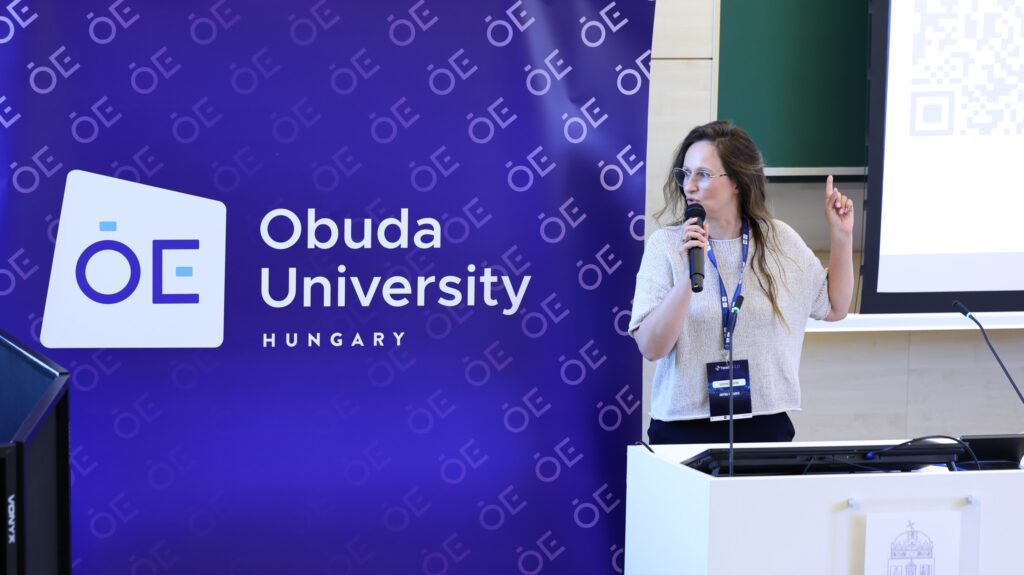
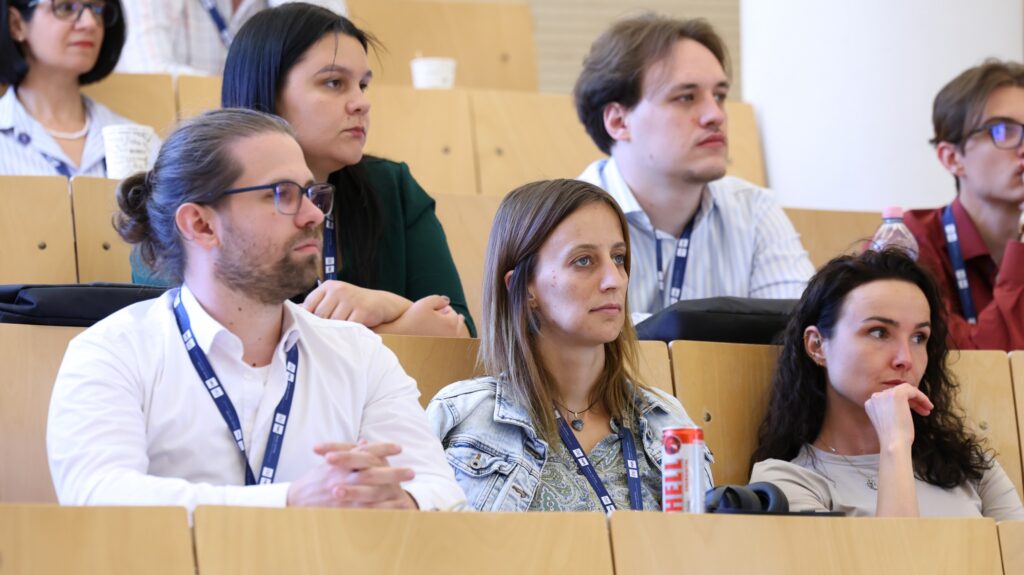
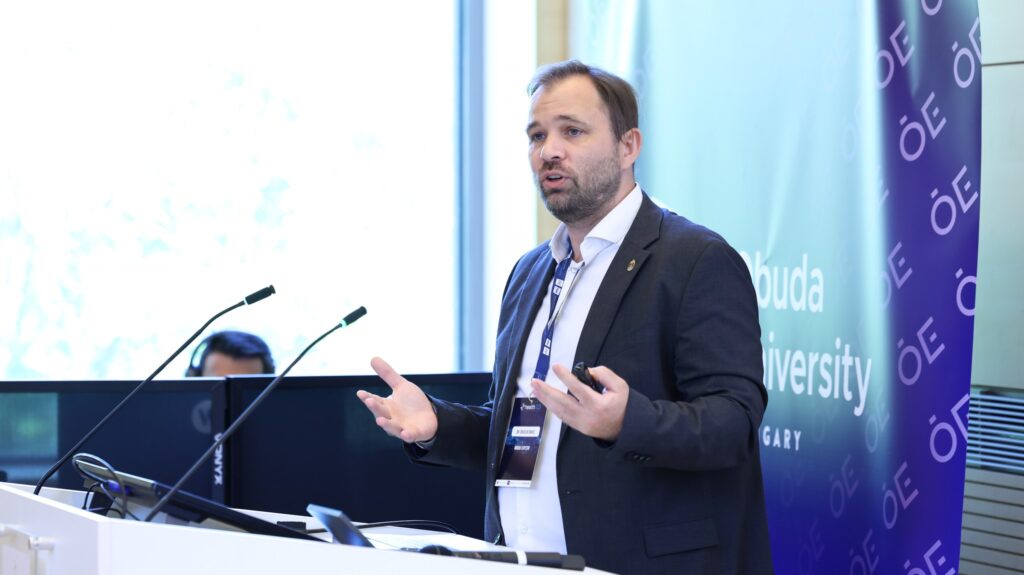
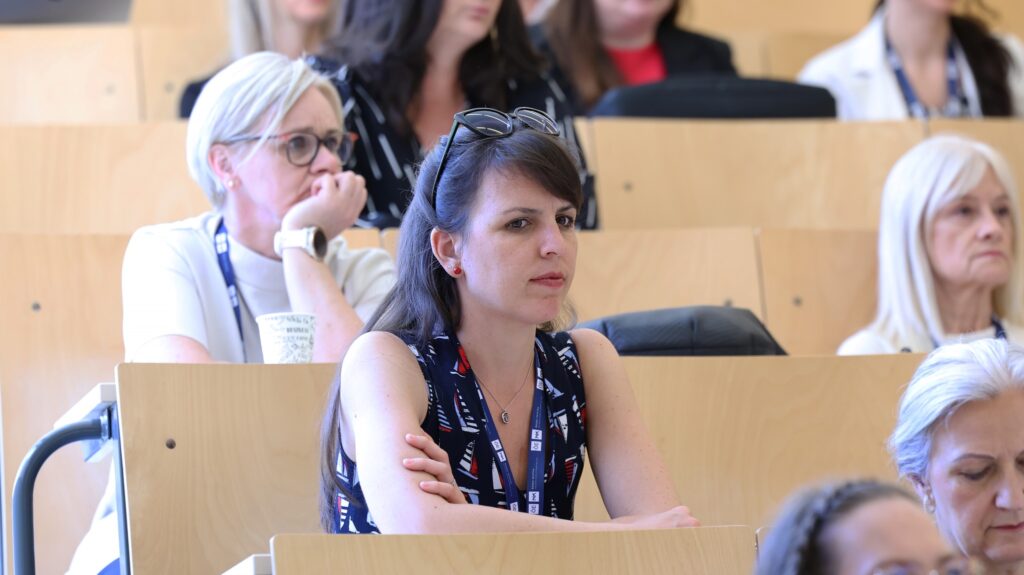
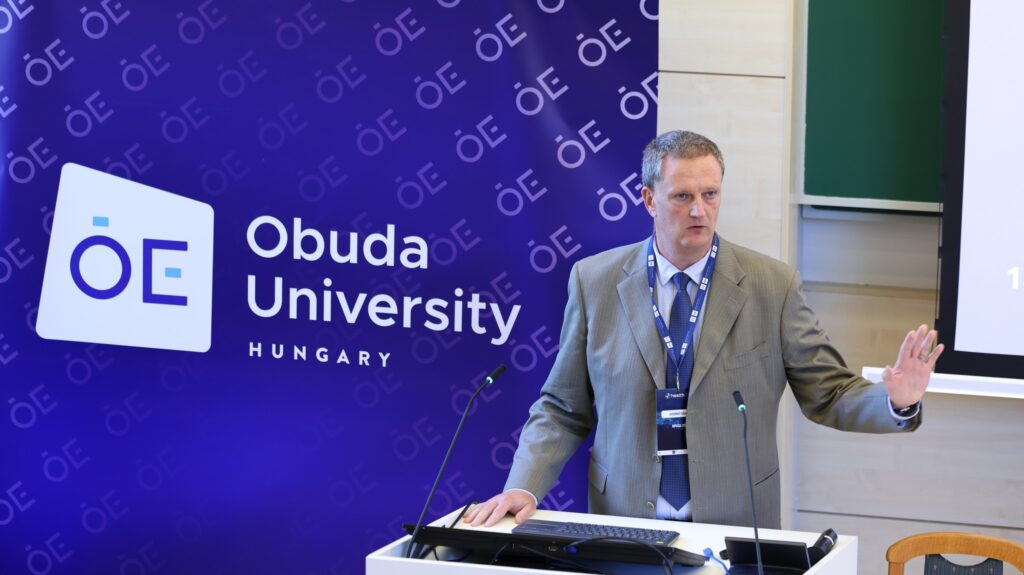
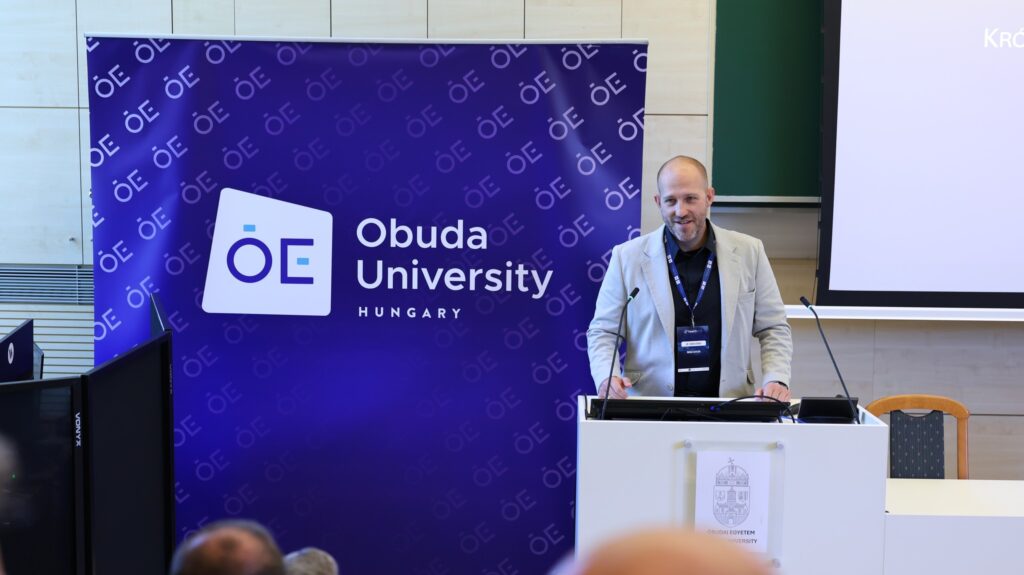
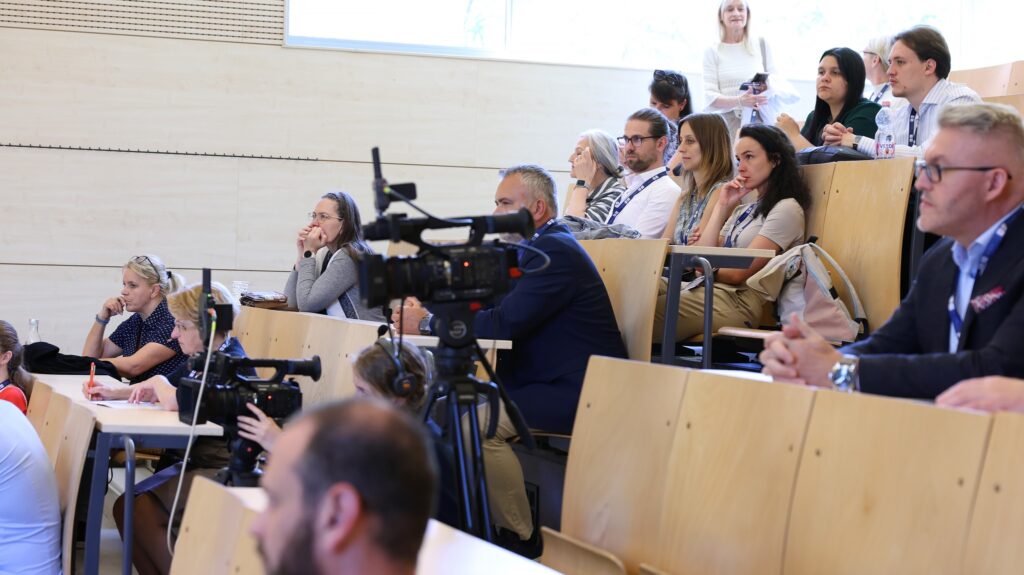
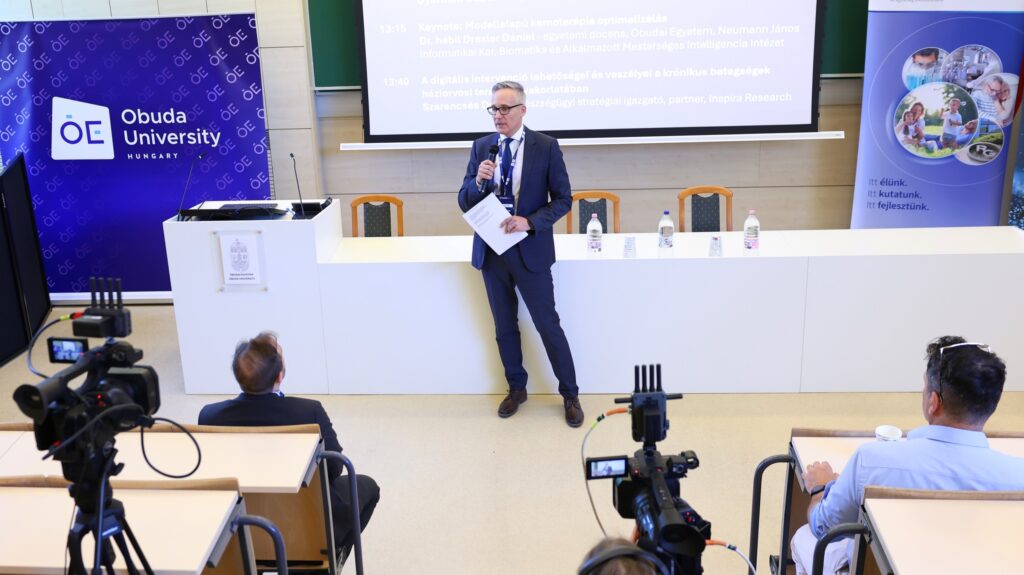
Obuda University hosted the highly successful Health 2.0 conference, which once again focused on the intersection of healthcare, technology, and human collaboration. This year’s event highlighted digital healthcare solutions, medical innovation, and the growing role of artificial intelligence in shaping a more human-centered and sustainable healthcare system.
The conference aimed to create a shared platform for healthcare professionals, researchers, policymakers, technology experts, innovators, and patient organizations, fostering dialogue and interdisciplinary cooperation.
In his opening speech, Gábor Gyarmati, founder of Health 2.0, emphasized that for more than a decade the community has been building bridges between healthcare stakeholders and technology innovators in order to collaboratively shape the future of healthcare.
The professional program was opened by Prof. Dr. György Eigner, Dean of the John von Neumann Faculty of Informatics, who also welcomed participants on behalf of Prof. Dr. Levente Kovács. In his remarks, he underlined the university’s commitment to supporting collaborations that promote innovation, scientific advancement, and social well-being.
During the scientific and practical sessions, Dr. habil. Dániel Drexler, Associate Professor of the faculty, presented the latest developments in biomatics and applied artificial intelligence through model-based chemotherapy optimization. Additional presentations addressed topics such as behavior-based patient pathway support, digital therapeutic solutions, longevity-focused healthcare approaches, and the transformative impact of AI-driven diagnostics.
The conference demonstrated how the future of healthcare increasingly relies on interdisciplinary collaboration, data-driven innovation, and patient-centered technological development. Initiatives like Health 2.0 contribute not only to scientific and technological progress, but also to building a more sustainable, efficient, and accessible healthcare ecosystem.