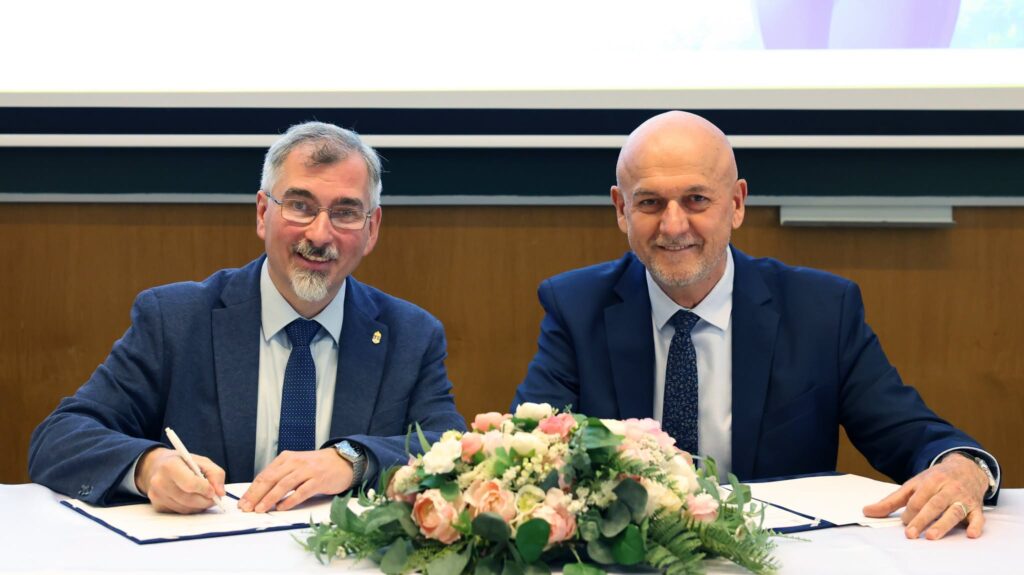
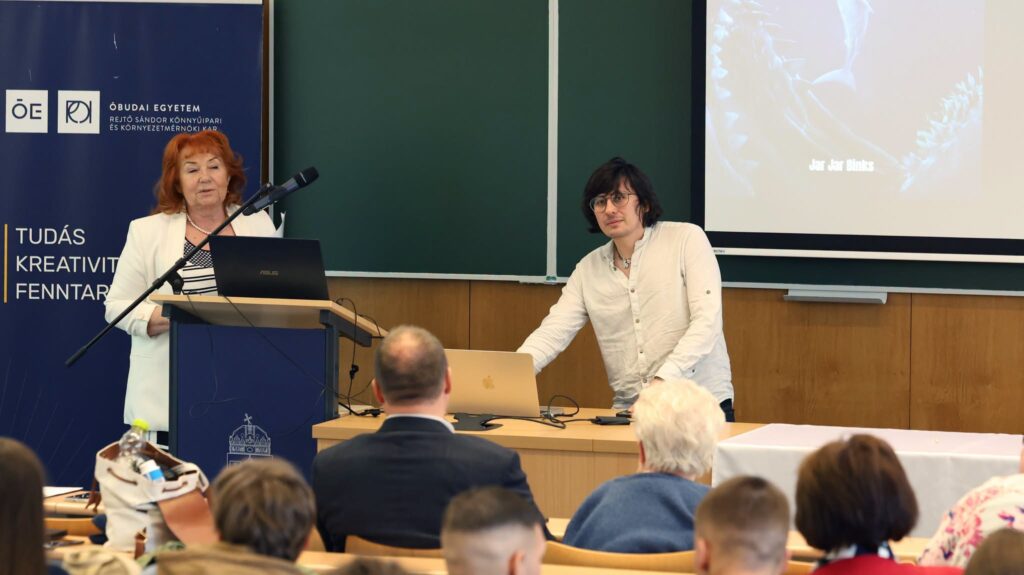
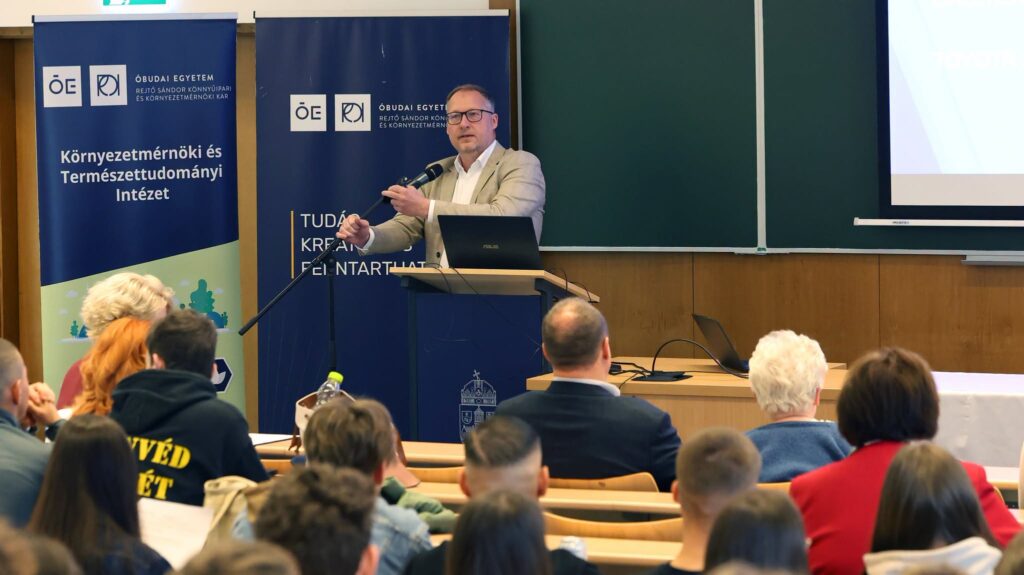
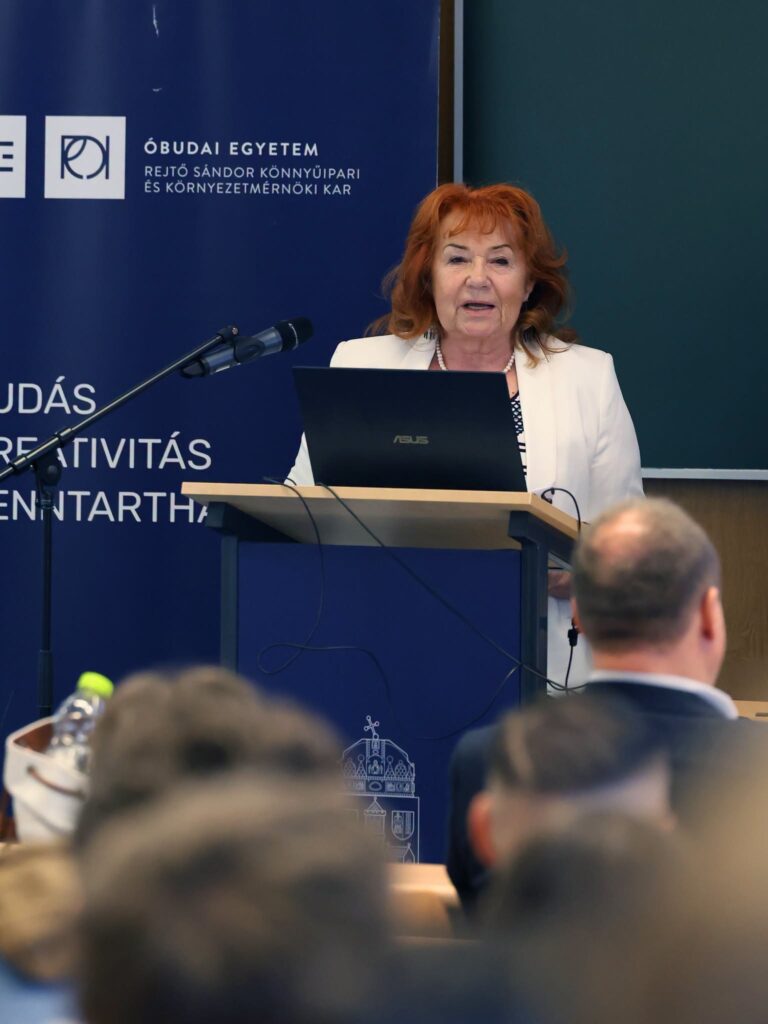
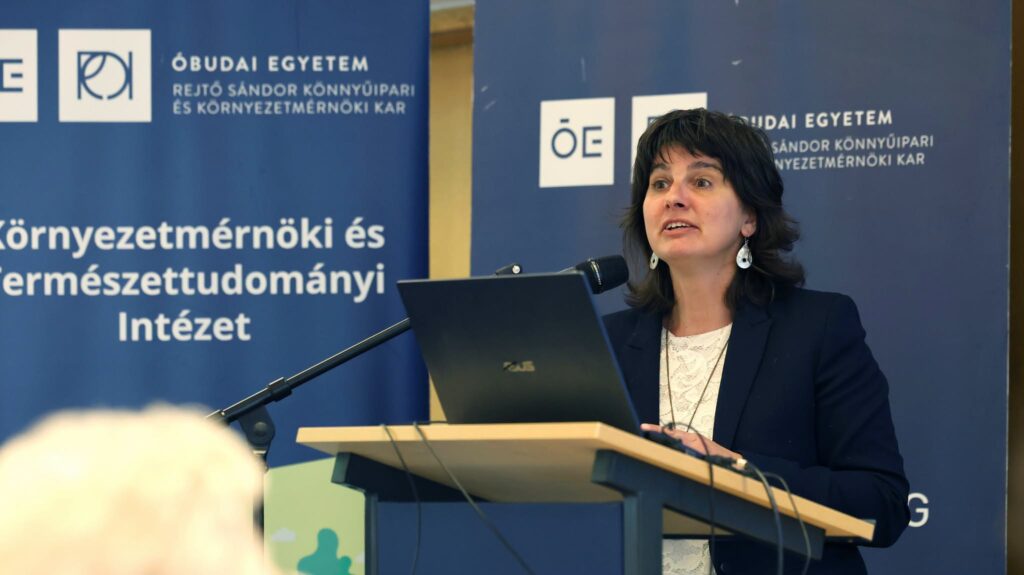
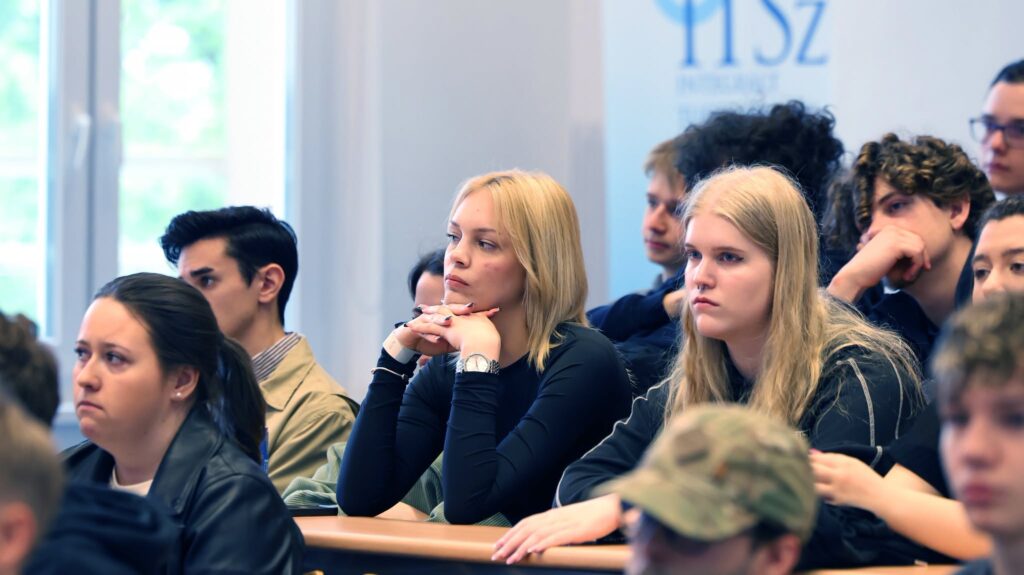
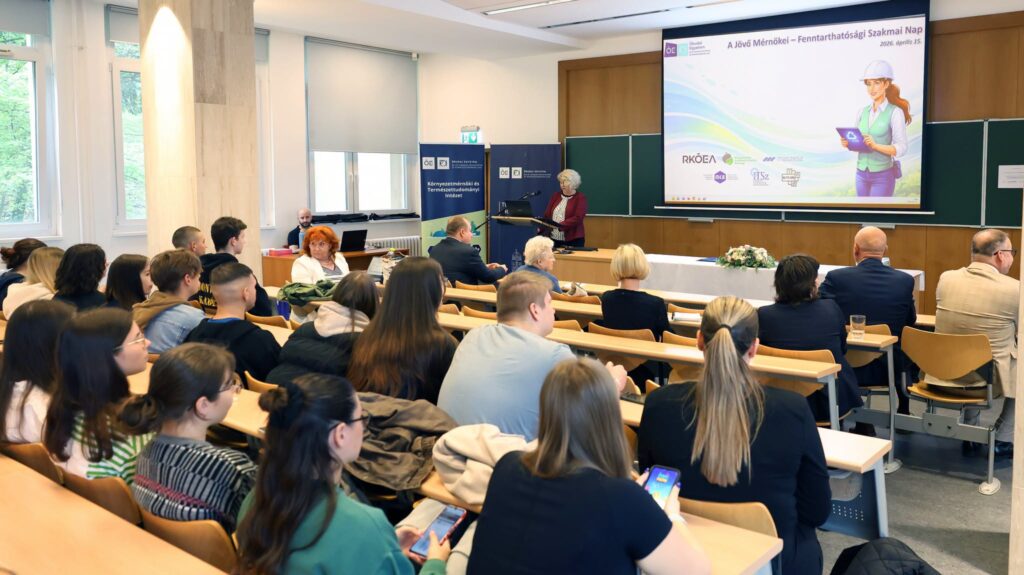
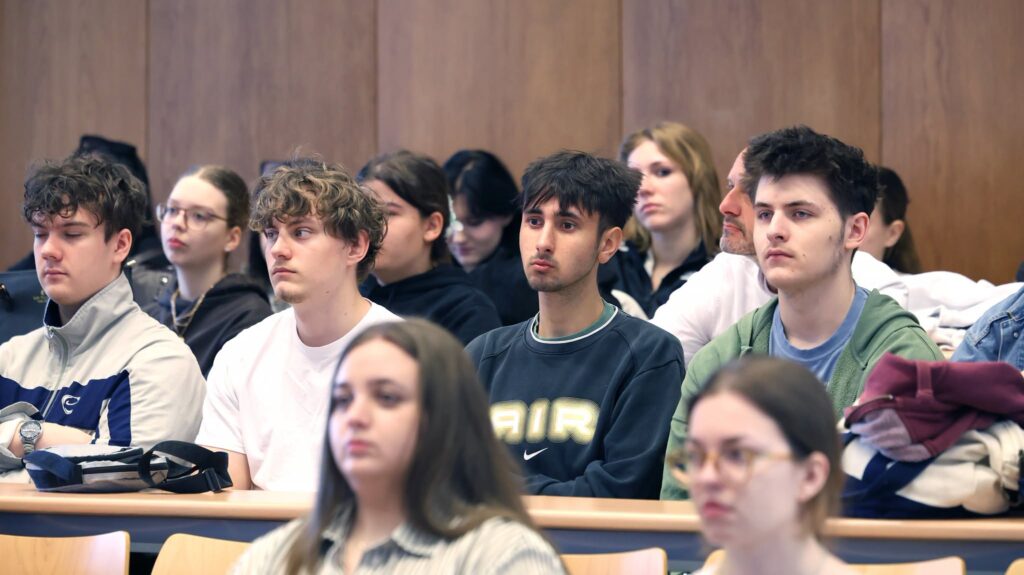
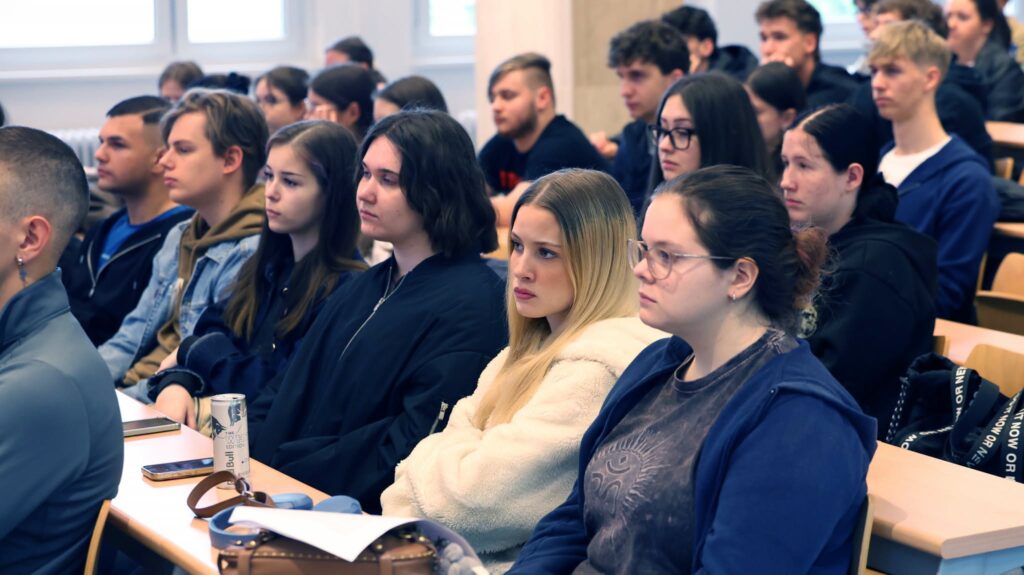
The Obuda University’s Rejtő Sándor Faculty of Light Industry and Environmental Engineering hosted the “Engineers of the Future – Sustainability Professional Day” on April 15. The professional forum, organized by the Institute of Environmental Engineering and Natural Sciences, brought together environmental engineering students of the faculty, as well as students from Petrik and Than Technical Schools. A key highlight of the event was the ceremonial signing of a strategic cooperation agreement between the faculty and the Hungarian Water and Wastewater Technology Association. This agreement provides direct industry connections and professional guarantees for future engineers.
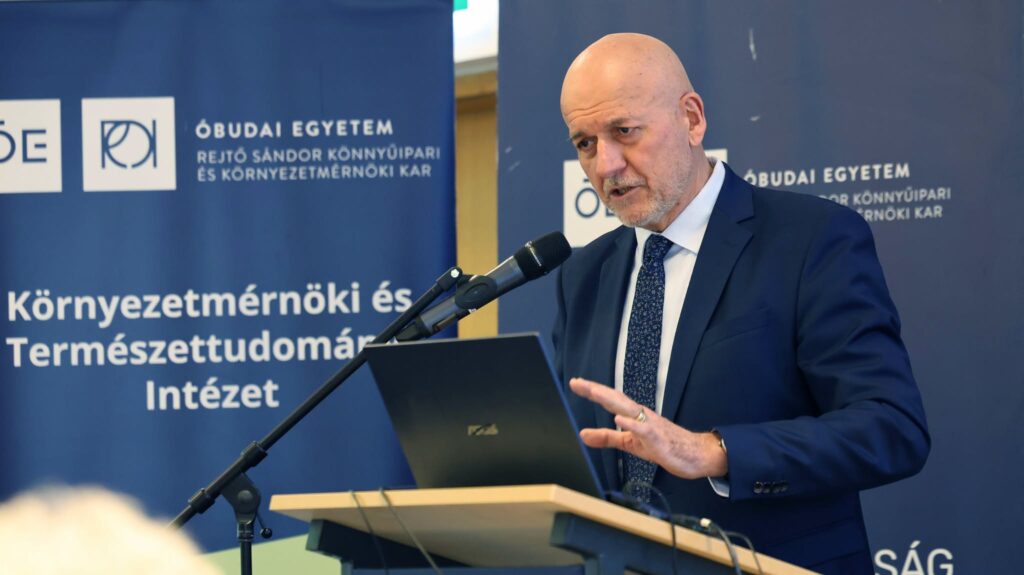
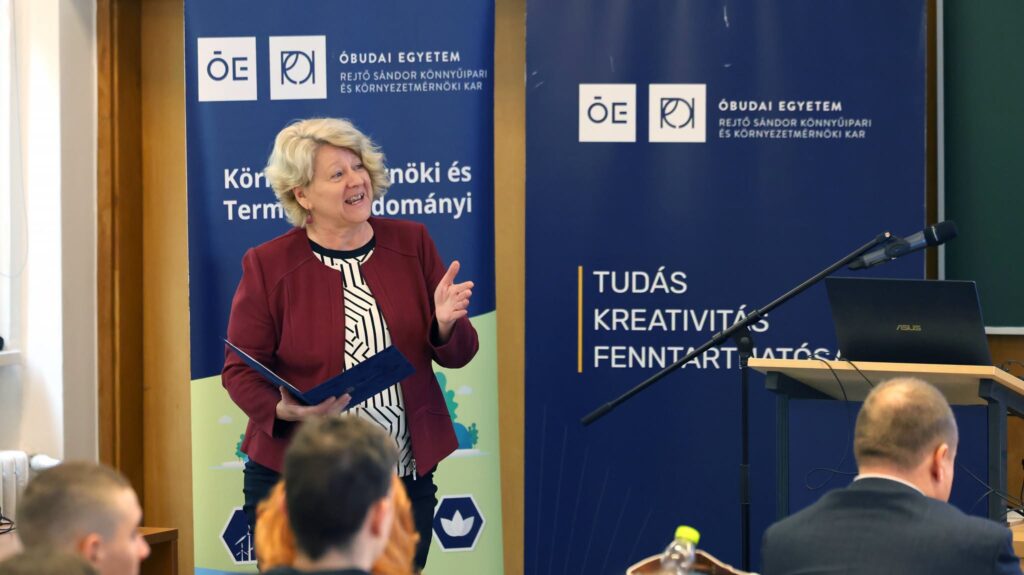
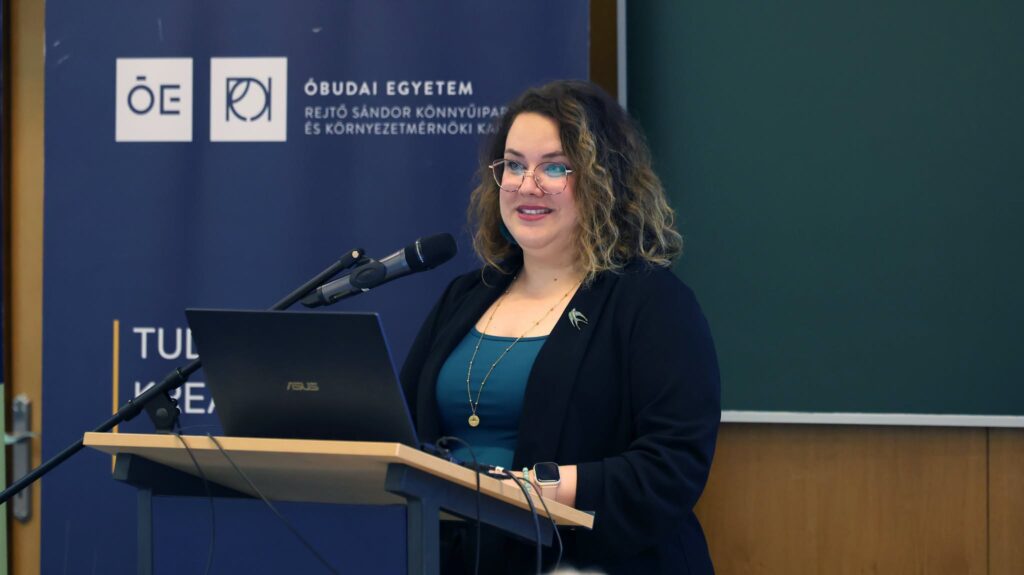
The event was supported by the Rudolf Kalman Foundation for Obuda University and co-organized by MASZESZ, the Association of Environmental Enterprises, and the Hungarian Chemical Society. The academic and professional leadership of both the university and the sector were represented. The session was chaired by Dr. habil. Rita Kendrovics, Vice Dean. In her speech, Vice-Rector Dr. habil. Viktória Sugár, responsible for sustainability and strategic developments, emphasized that sustainability is one of the key pillars of the university’s strategic development, highlighting the role of innovative technologies in climate protection and architecture.
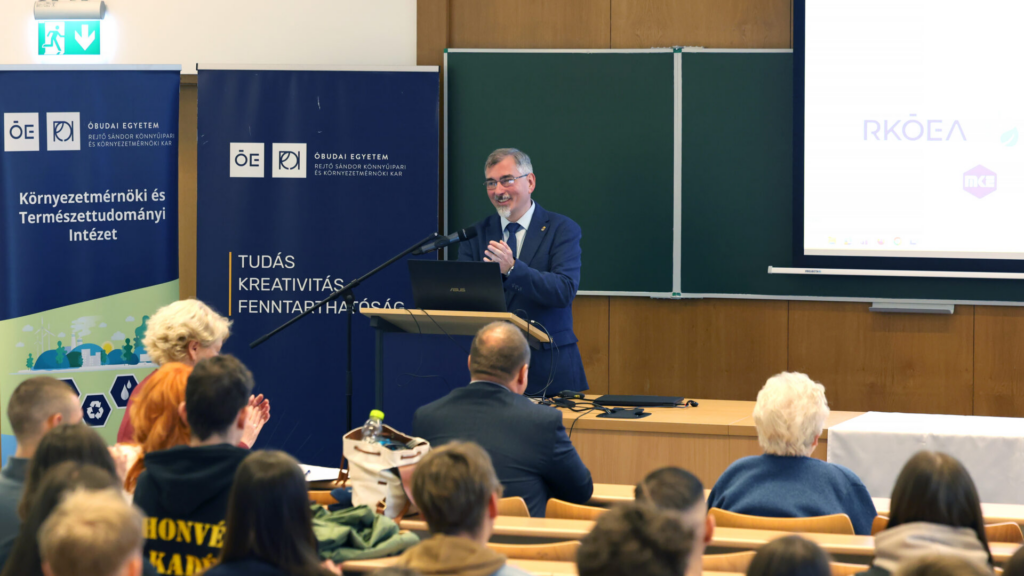
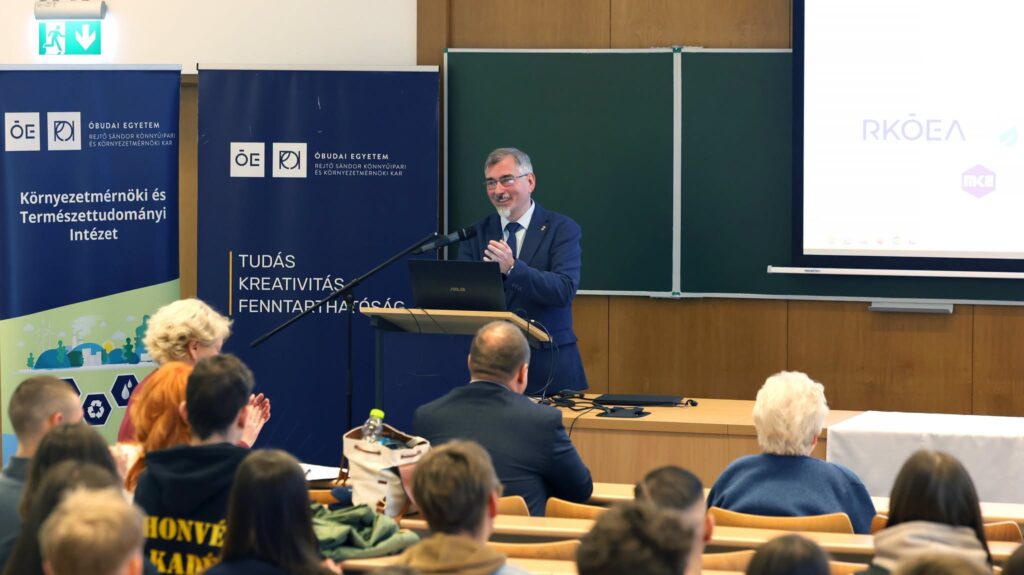
Dean Dr. habil. László Koltai pointed out the responsibility of educating future professionals, stressing that the mission of the Rejtő Faculty is to graduate engineers who can apply environmentally conscious thinking in real-world practice.
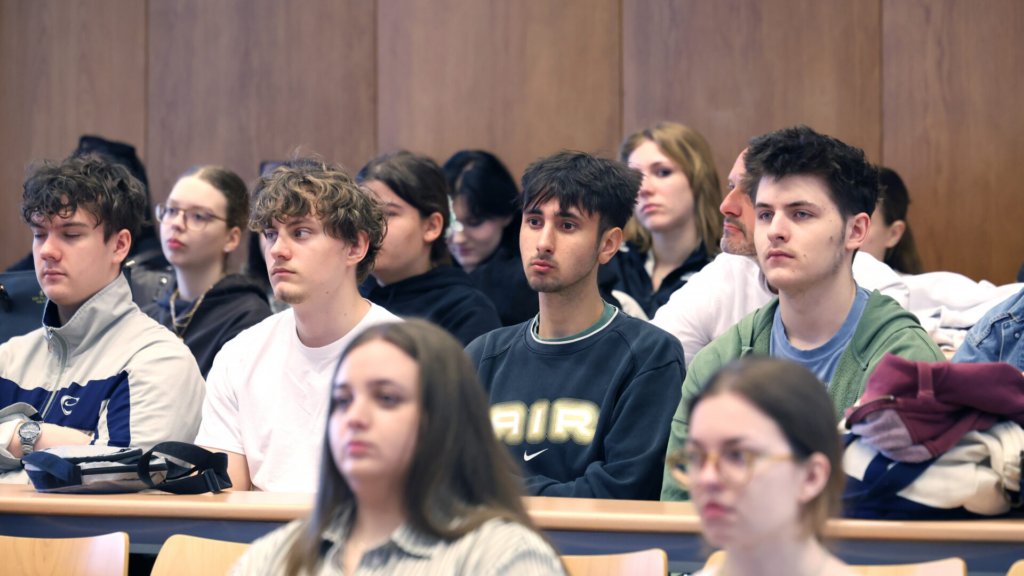
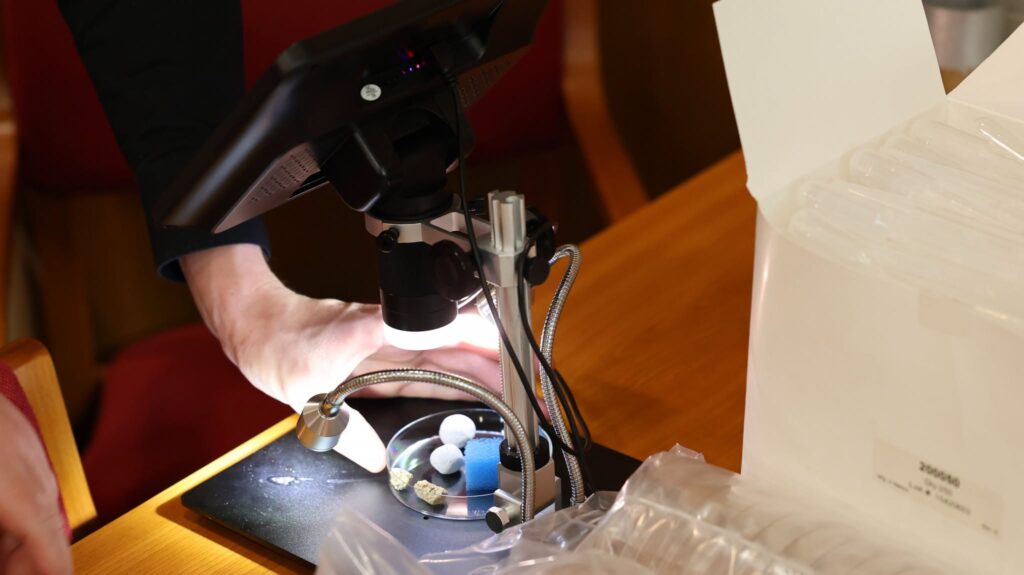
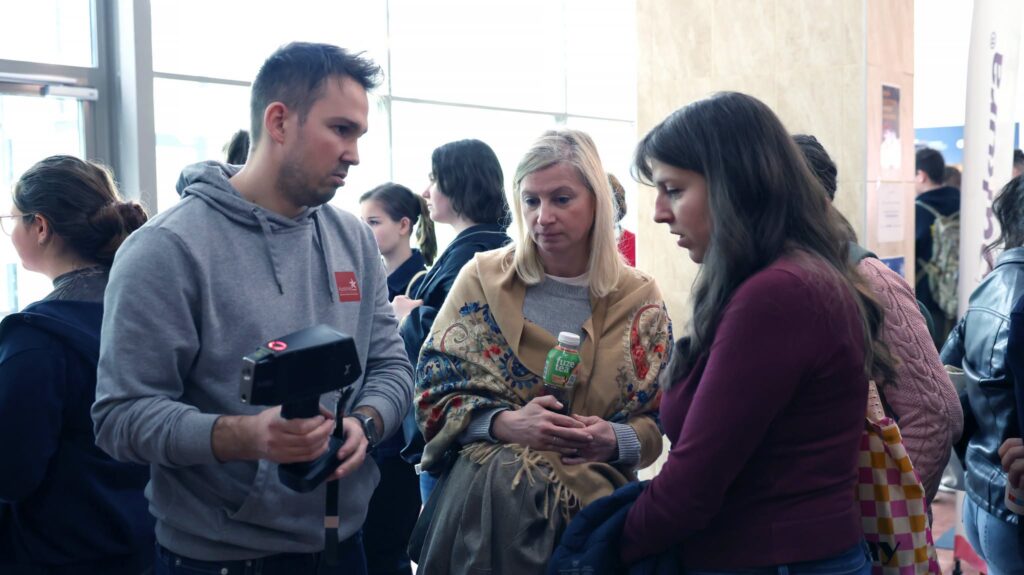
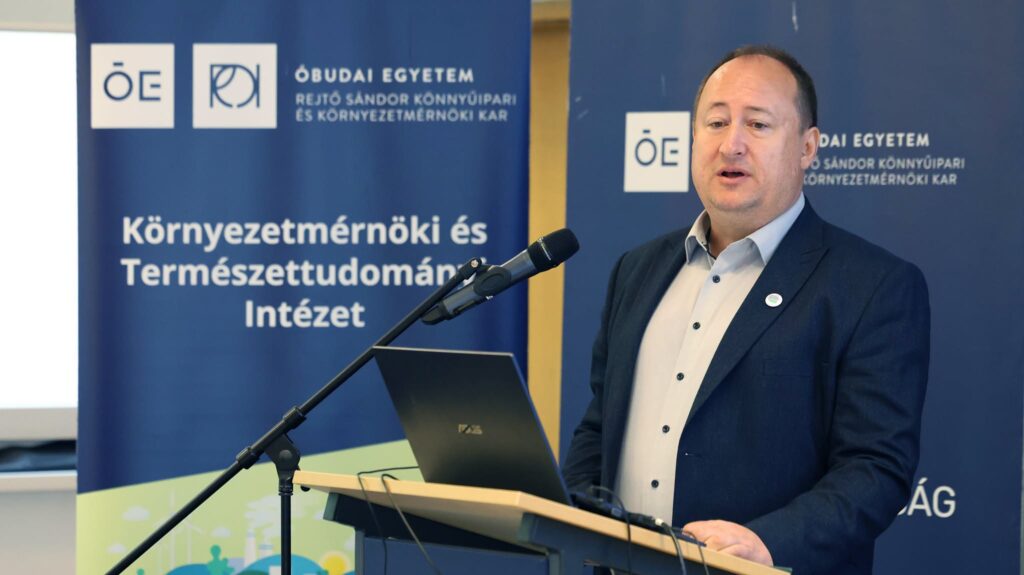
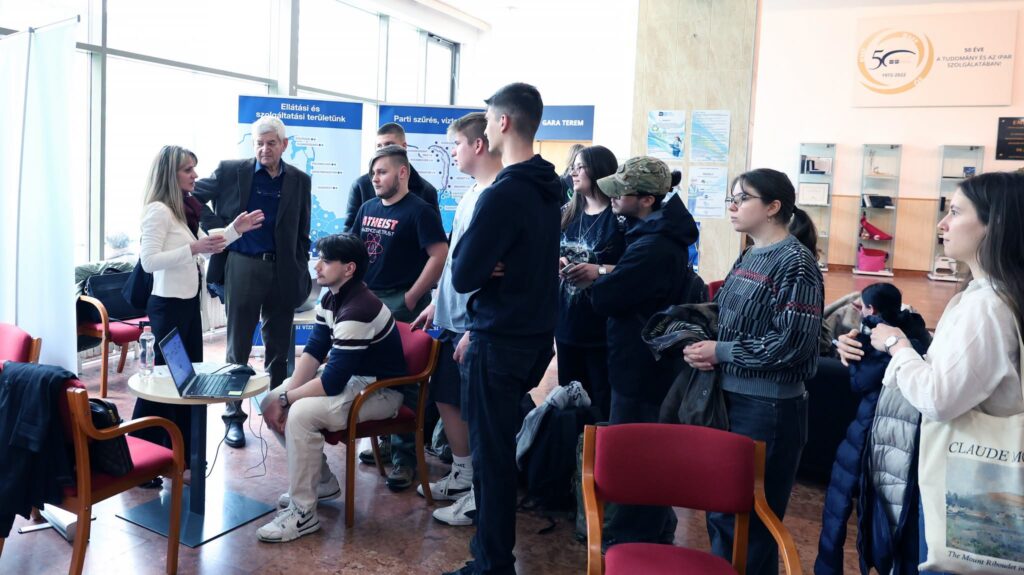
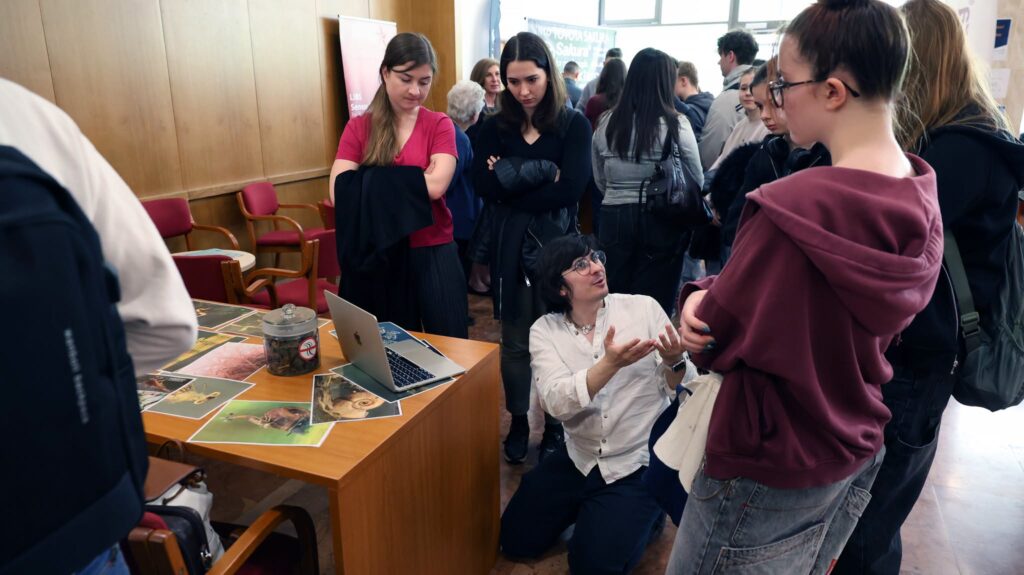
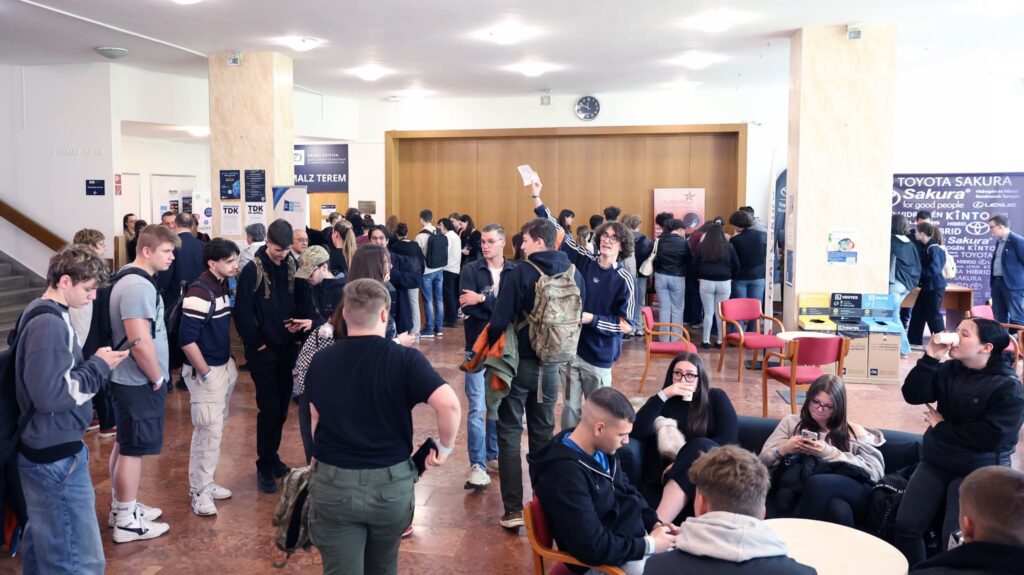
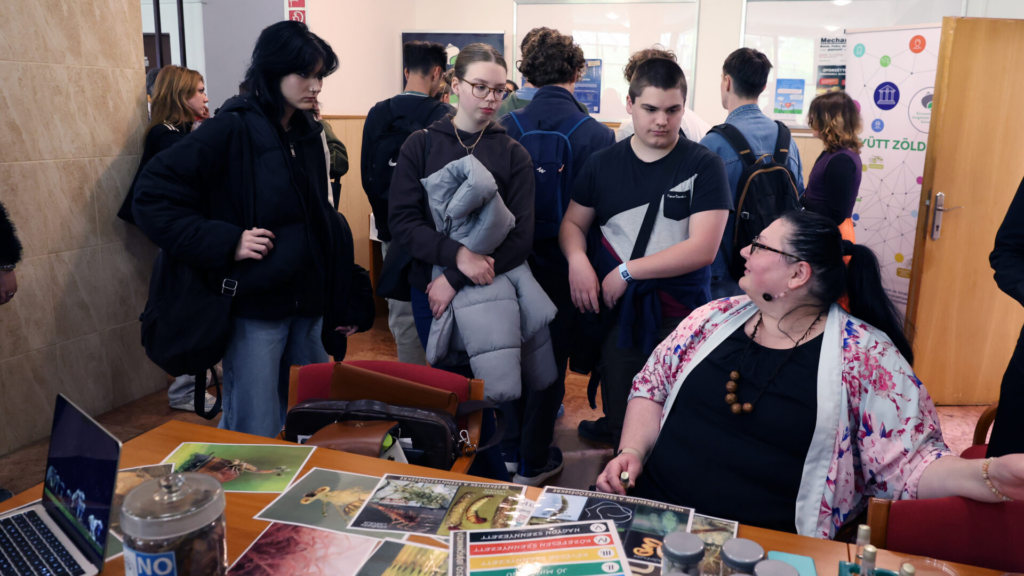
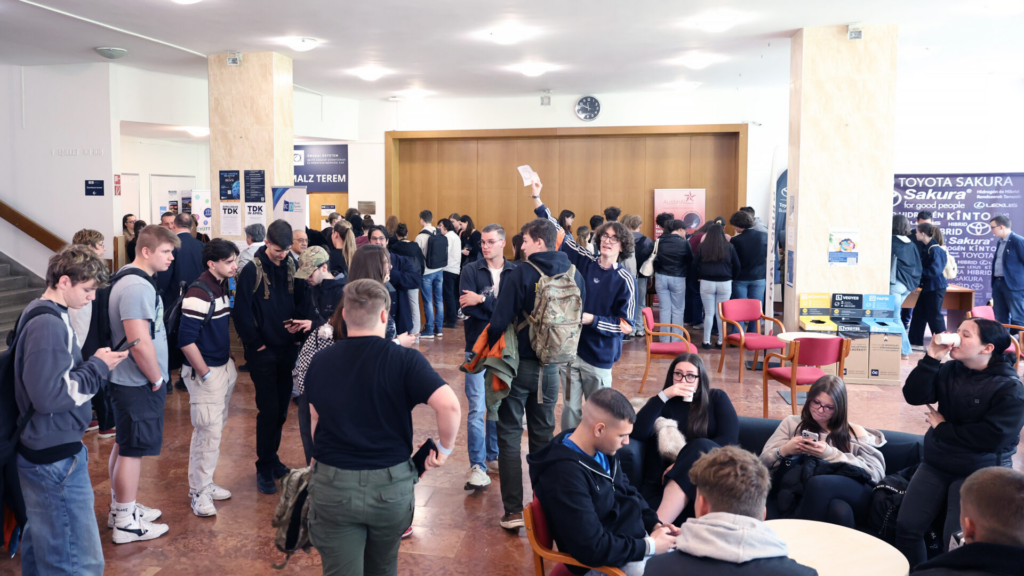
Dr. Károly Kovács, President of MASZESZ, outlined the current situation of the water sector and highlighted the complex international challenges ahead. He emphasized the importance of continuous language learning for students, which is essential for understanding global water-related challenges and participating successfully in international projects. Dr. habil. Csaba Ágoston, President of KSZGYSZ, presented the wide-ranging activities of the association across the environmental industry and stressed the urgent need for well-prepared young professionals who understand the complex processes of the circular economy. As part of the event, an interactive exhibition was held in the main hall, where installations such as the Toyota Sakura hydrogen laboratory, microscopic investigations, water utility models, air pollution dispersion simulations, and a spectroscopy demonstration by Austin AI Europe visibly brought the modern and exciting reality of the engineering profession closer to students.
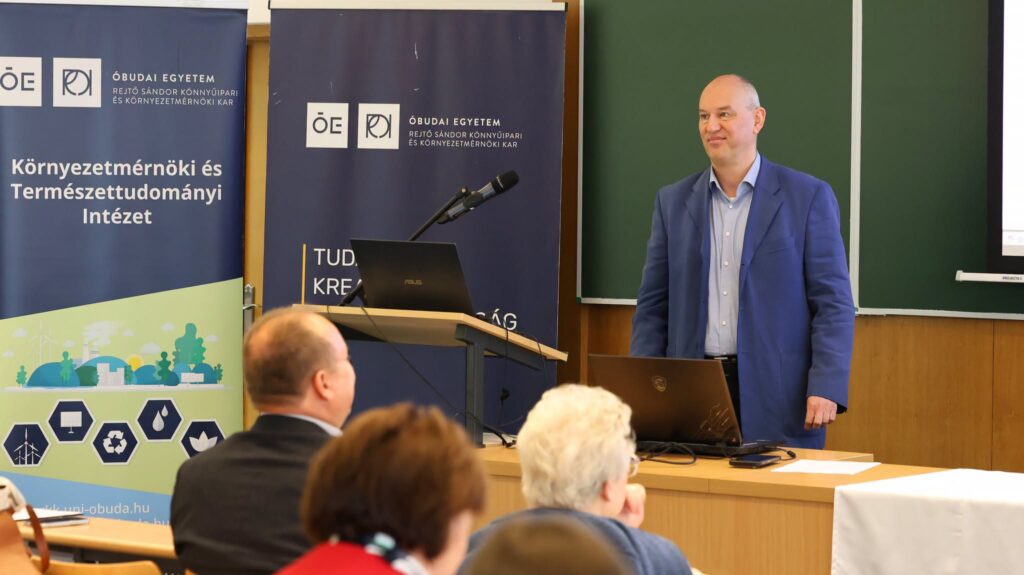
During the day, participants learned from renowned professionals, including János Szilasi (Toyota Sakura), who presented the future of hydrogen propulsion, and Barnabás Álmos Becz (Budapest Sewage Works), who introduced students to the world of wastewater microorganisms. Further presentations covered the effects of atmospheric inversion (Ferenc Nagy, Imagináció Ltd.), the water quality of Lake Balaton (György István Tóth, General Directorate of Water Management), as well as challenges in the battery industry and waste utilization (Béla Farkas, Envirotis; Dr. Judit Jeney, Austin AI; Dr. Attila Sarkady, Zero Waste Group). In the spirit of awareness-raising, Edit Püski, Managing Director and lead project coordinator of ALTEREDU Nonprofit Ltd., held a practice-oriented session titled “Momentum in Environmental Protection – Kick-off Workshop.” In the English-language session, József Serény (Envirosys Ltd.), Csenge Nagymezei (Budapest Sewage Works), Dr. Anett Lippai (Biokör Technological and Environmental Protection Ltd.), as well as international students of the university shared insights into international research trends and experiences from the PET Cup.
Today, raising awareness of sustainability is essential for both universities and students. The responsibility of institutions is undeniable: they must go beyond traditional education frameworks and act as key drivers of mindset shaping. The success of the event confirms that graduates of Óbuda University receive not only a degree but also a value system and vision that enable them to effectively respond to the most pressing environmental challenges of our time.