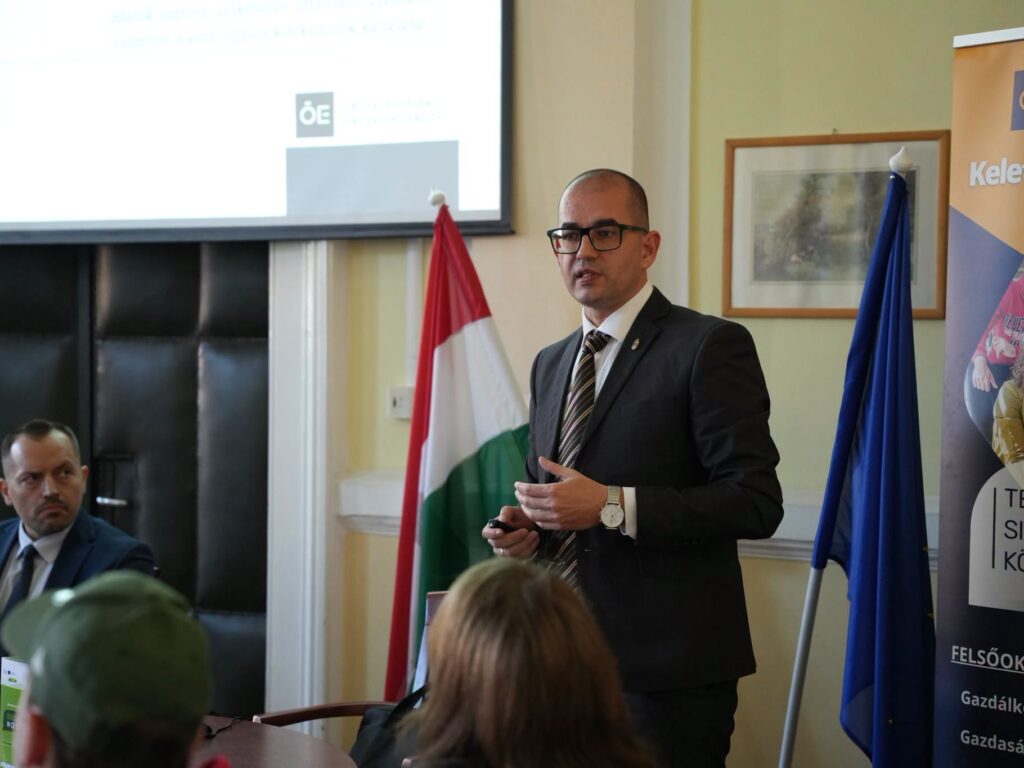
Sustainability has become one of the defining issues of contemporary economic and social development. Environmental responsibility, social considerations and transparent corporate governance are playing an increasingly important role in business decision-making, financial processes and education. These topics were at the centre of the professional forum entitled “ESG in the Service of the Future – Science, Education and Everyday Life”, organised at the Keleti Károly Faculty of Business and Management of Óbuda University on the occasion of the Hungarian Science Festival.
The event aimed to explore different dimensions of the ESG approach and demonstrate how sustainability can become an integral part of science, education and everyday economic decision-making. The programme featured three professional presentations, each offering a different perspective on the topic.
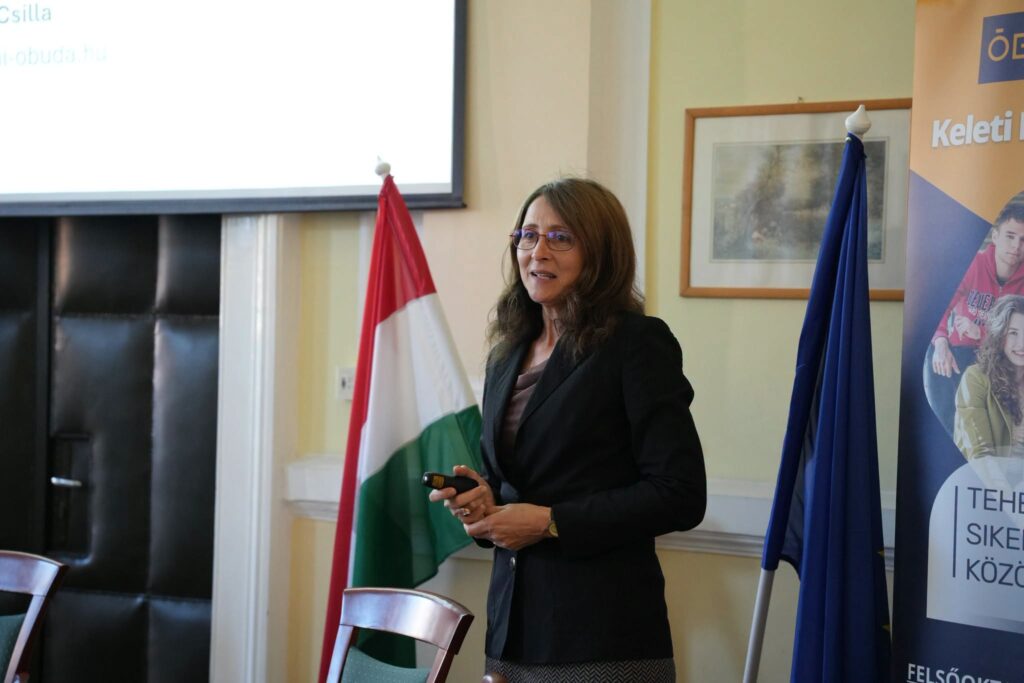
In her presentation entitled “The Paradox of Sustainability”, Dr Csilla Mile focused on the contradictions and challenges associated with achieving sustainable development. Her talk highlighted the complexity of sustainability, as environmental, economic and social interests often involve interconnected yet sometimes conflicting considerations.
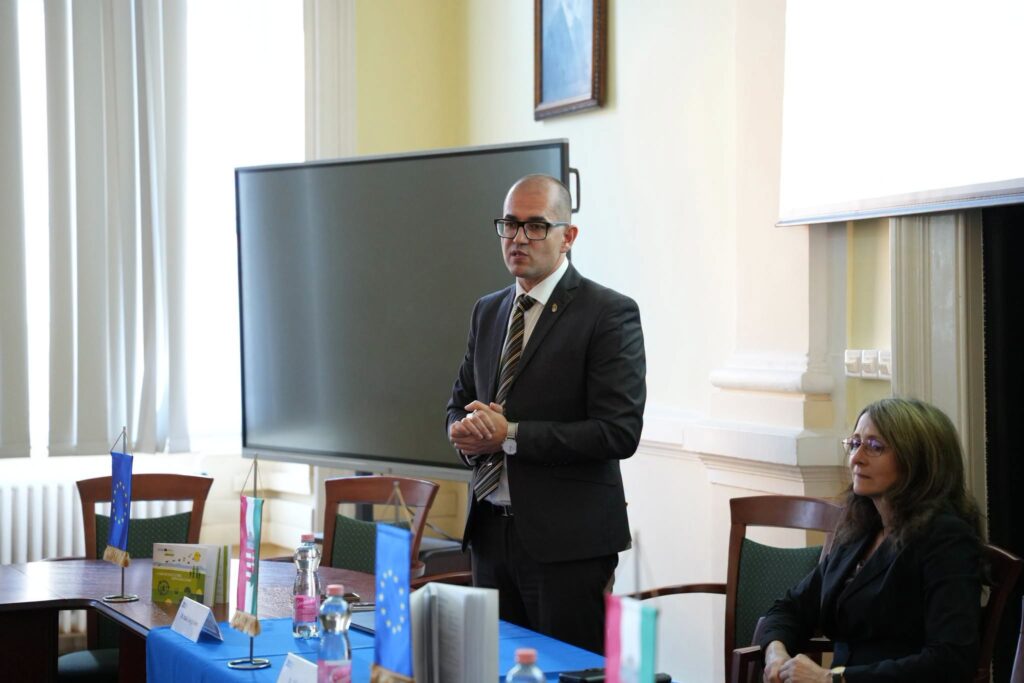
István Fetter, Head of the Small Business Division at CIB Bank, delivered a presentation entitled “Financing the Green Transition: ESG Considerations in Financial Decision-Making and Education”. He explored the role of sustainability criteria in financial decision-making, with particular emphasis on financing the green transition of businesses. The presentation highlighted that sustainable economic development requires not only technological innovation but also appropriate financial incentives and up-to-date professional knowledge.
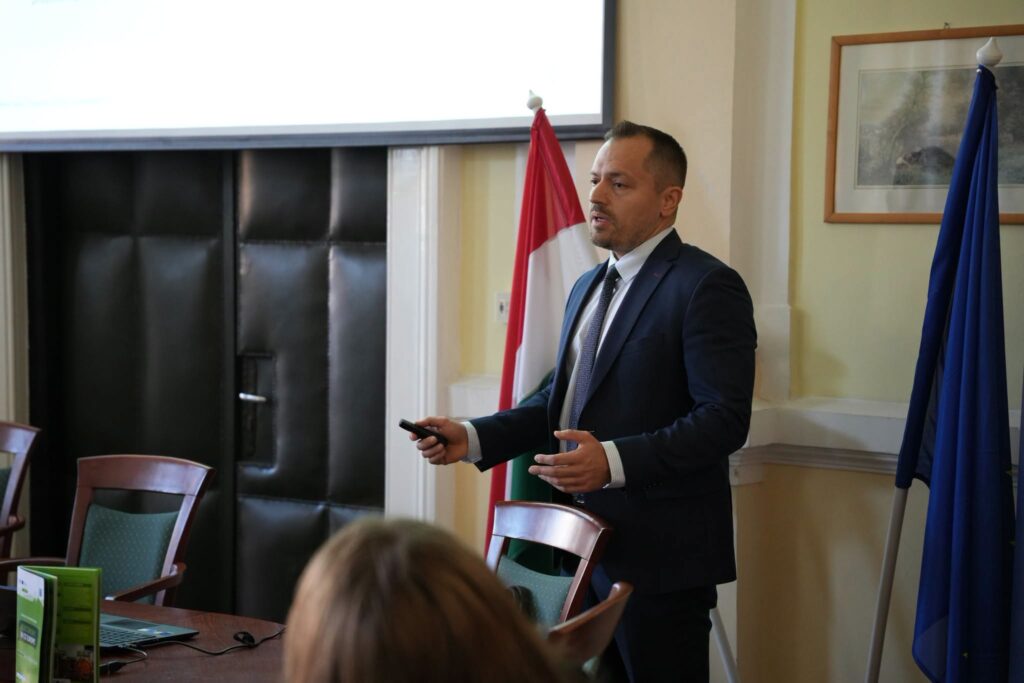
Dr habil. János Varga, Vice-Dean for Education at the Faculty, presented “ESG, Circular Economy and Education”. His presentation examined the connections between sustainability, the circular economy and higher education. He emphasised the importance of education in preparing future professionals to understand and apply the principles of sustainable development and make responsible decisions in both their professional and personal lives.
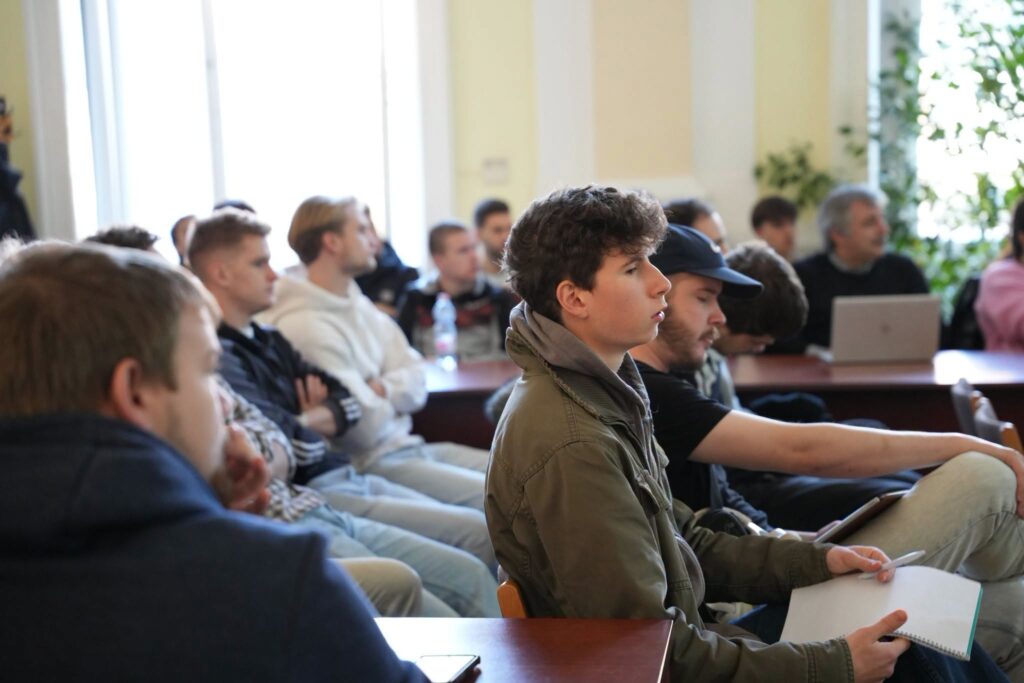
The presentations were followed by a professional discussion, providing an opportunity to address questions, exchange experiences and explore different professional perspectives.
One of the key messages of the event was that sustainability is not merely an environmental issue. Economic competitiveness, financial responsibility, innovation, education and social well-being are all closely interconnected. The adoption of ESG principles is therefore becoming increasingly important not only for businesses but also for educational institutions and individuals.
The forum contributed to a deeper understanding of current sustainability challenges by bringing together scientific and practical perspectives and encouraging dialogue on the future of responsible economic and social development.
We would like to thank all the speakers for their valuable insights and the participants for their interest and active contribution!