To date, more than 600 people with sensory disabilities have acquired essential digital skills and successfully passed internationally recognised examinations at the ICDL Examination Centre for People with Disabilities (formerly ECDL), operating at the John von Neumann Faculty of Informatics of Obuda University. The centre plays a significant role in Hungary in developing the digital competencies and IT skills of people with disabilities. Thanks to the support of Obuda University and the John von Neumann Computer Society (NJSZT), participants can obtain an internationally recognised ICDL certificate free of charge.
The establishment of the centre is closely associated with Professor László Kutor and Professor Dezső Sima, whose dedicated work laid the foundations for the initiative. Their efforts have been supported from the outset by former and current deans of the John von Neumann Faculty of Informatics, including Professor György Eigner, as well as by the faculty’s staff. Professor Levente Kovács, both as Rector of Obuda University and President of the NJSZT, has also been a strong supporter of the initiative.
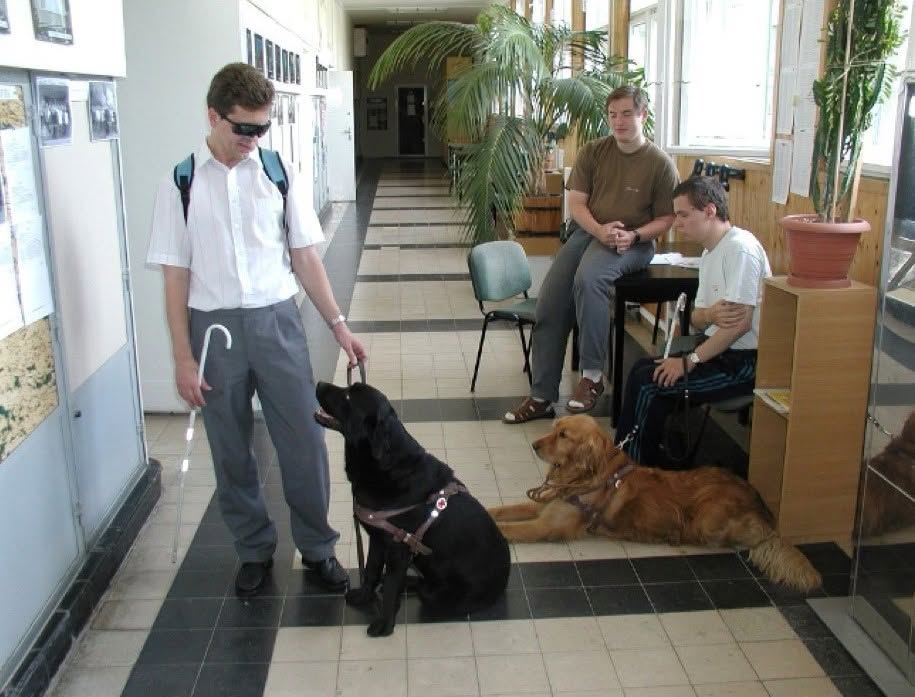
For a quarter of a century, Annamária Cserfalvi and Csaba Ecsedi have been working tirelessly to help people with visual, hearing and combined deafblind disabilities, mild intellectual disabilities and physical disabilities acquire essential digital skills. These competencies enable participants to access employment opportunities, build personal relationships and manage their everyday affairs independently.
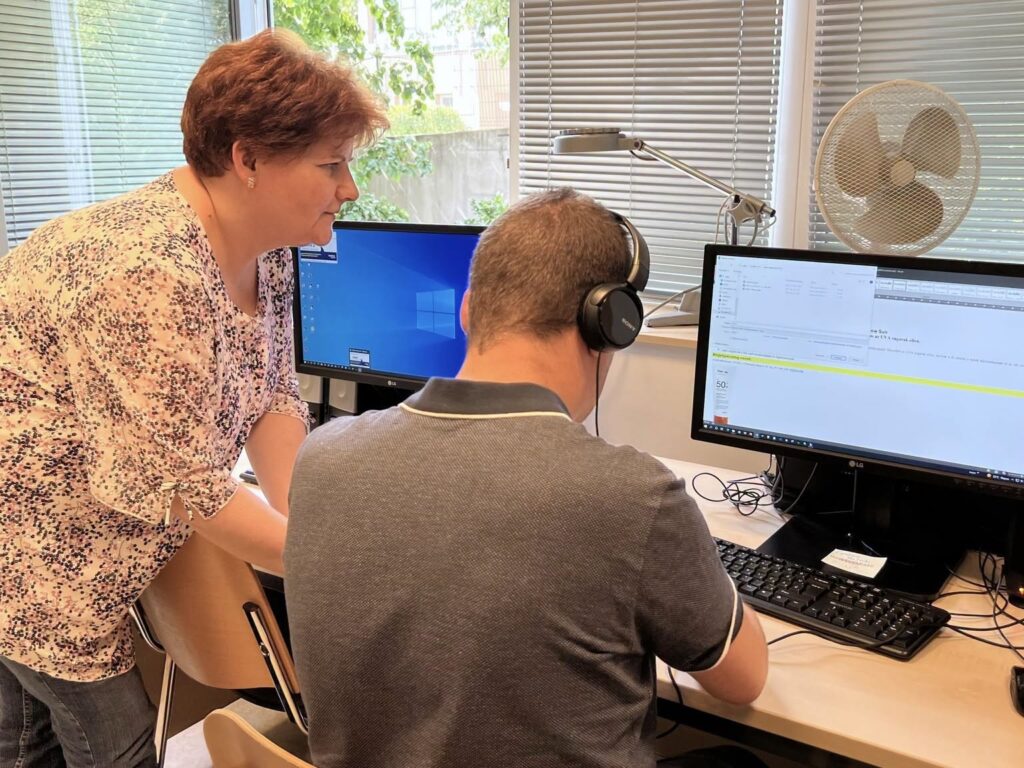
The instructors’ personal experience of disability makes their teaching particularly authentic and effective. A visually impaired instructor has supported visually impaired learners, while a hearing-impaired instructor has taught students using both sign language and spoken language.
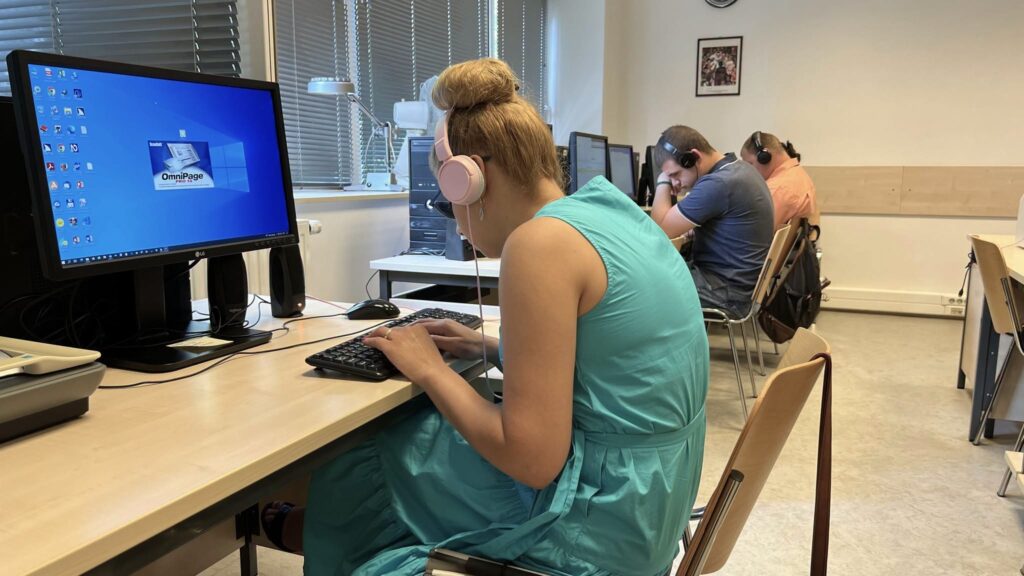
At the time of its establishment, the programme was unique in Hungary. The University provided specialised software, accessible computer laboratories, adapted learning materials and an accessible examination environment, ensuring that participants could learn and demonstrate their skills under appropriate conditions.
Today, the centre is also actively involved in providing students with artificial intelligence training, extending its commitment to digital inclusion to emerging technologies.
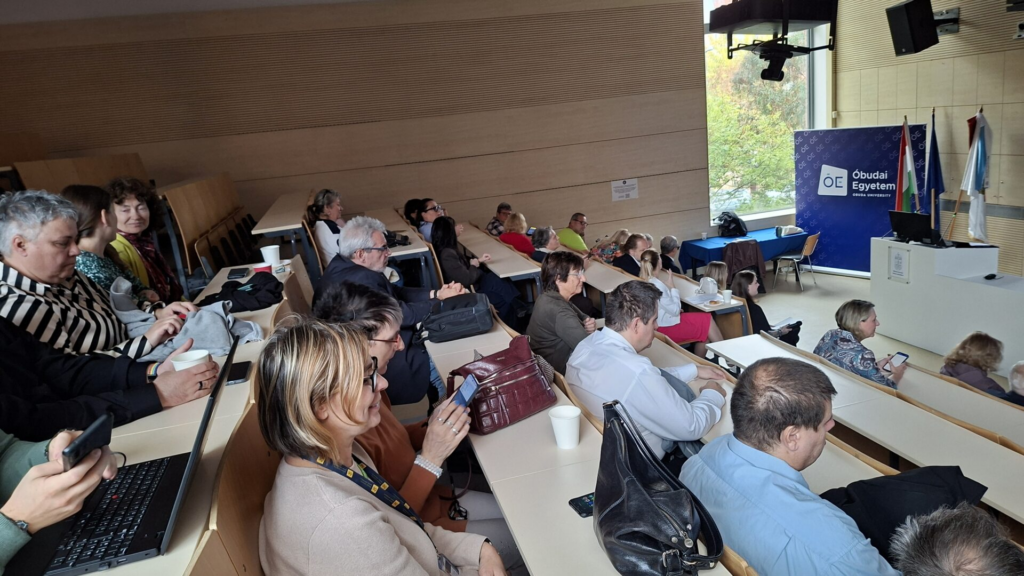
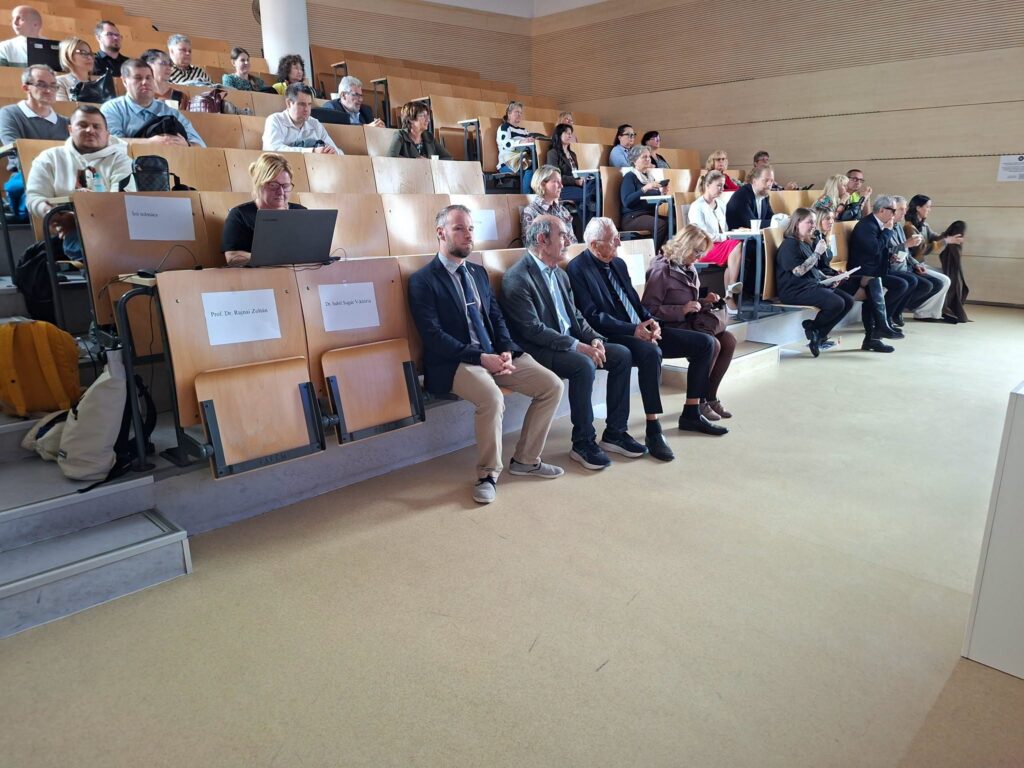
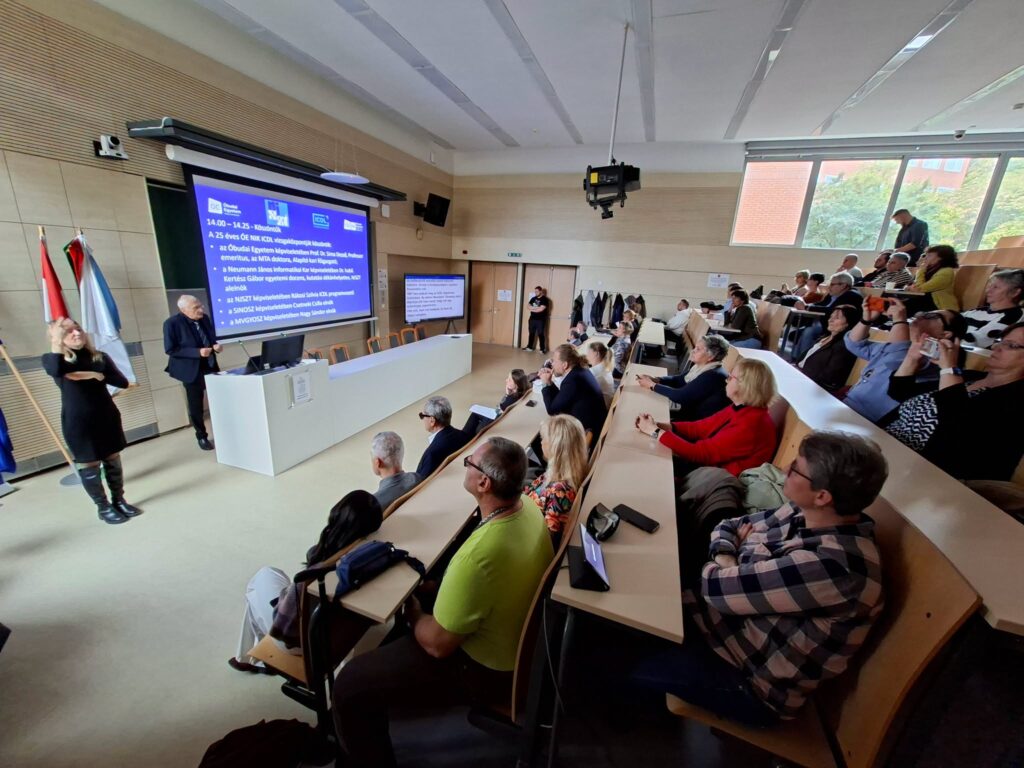
At the conference organised to mark the anniversary, Dr Gábor Kertész, Vice-Dean for Research at the John von Neumann Faculty of Informatics and Vice-President of the NJSZT, welcomed the participants. Representatives and leaders of partner organisations also attended and delivered congratulatory speeches, including Szilvia Rákosi, ICDL Programme Manager at the NJSZT; Csilla Csetneki, President of the National Association of the Deaf and Hard of Hearing (SINOSZ); and Sándor Nagy, President of the Hungarian Federation of the Blind and Partially Sighted (MVGYOSZ).

The anniversary conference commemorated the most important milestones of the centre’s 25 years of development through formal addresses and professional presentations. Annamária Cserfalvi and Dr László Kutor, the latter through a video message, reflected on the experience and knowledge accumulated at the examination centre. Róbert Ormódi, representing SINOSZ, together with a representative of MVGYOSZ, presented the organisations’ contributions to promoting social equality and accessible communication.
Following the break, Csaba Ecsedi summarised the outstanding achievements of the ICDL training programme, while Annamária Cserfalvi presented the specific learning styles of students with hearing impairments and approaches to developing their digital competencies.
Read our previous article on digital literacy and equal opportunities at Obuda University: https://uni-obuda.hu/2025/07/28/informatikai-irastudas-ut-az-egyenlo-eselyekhez-az-obudai-egyetemen/